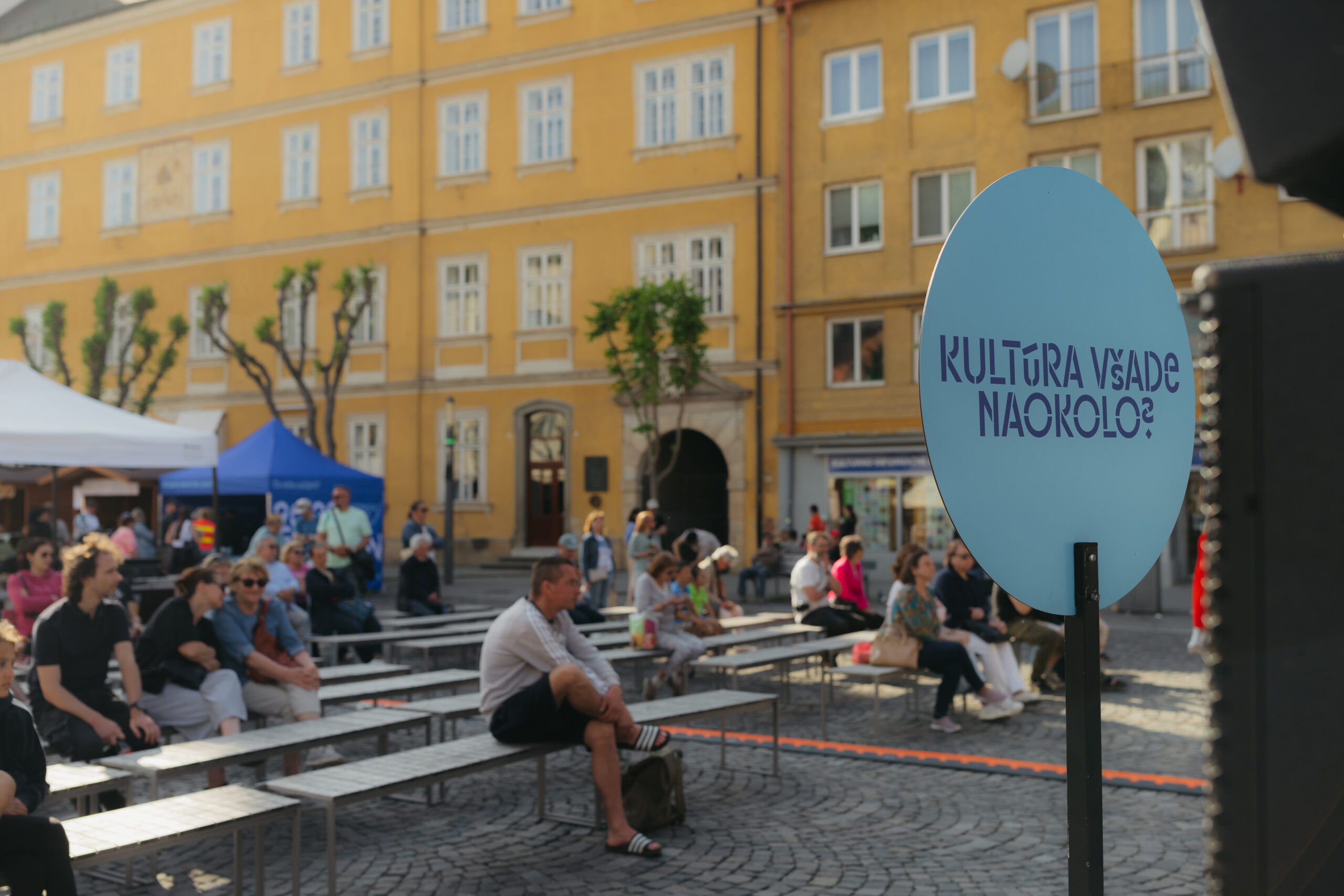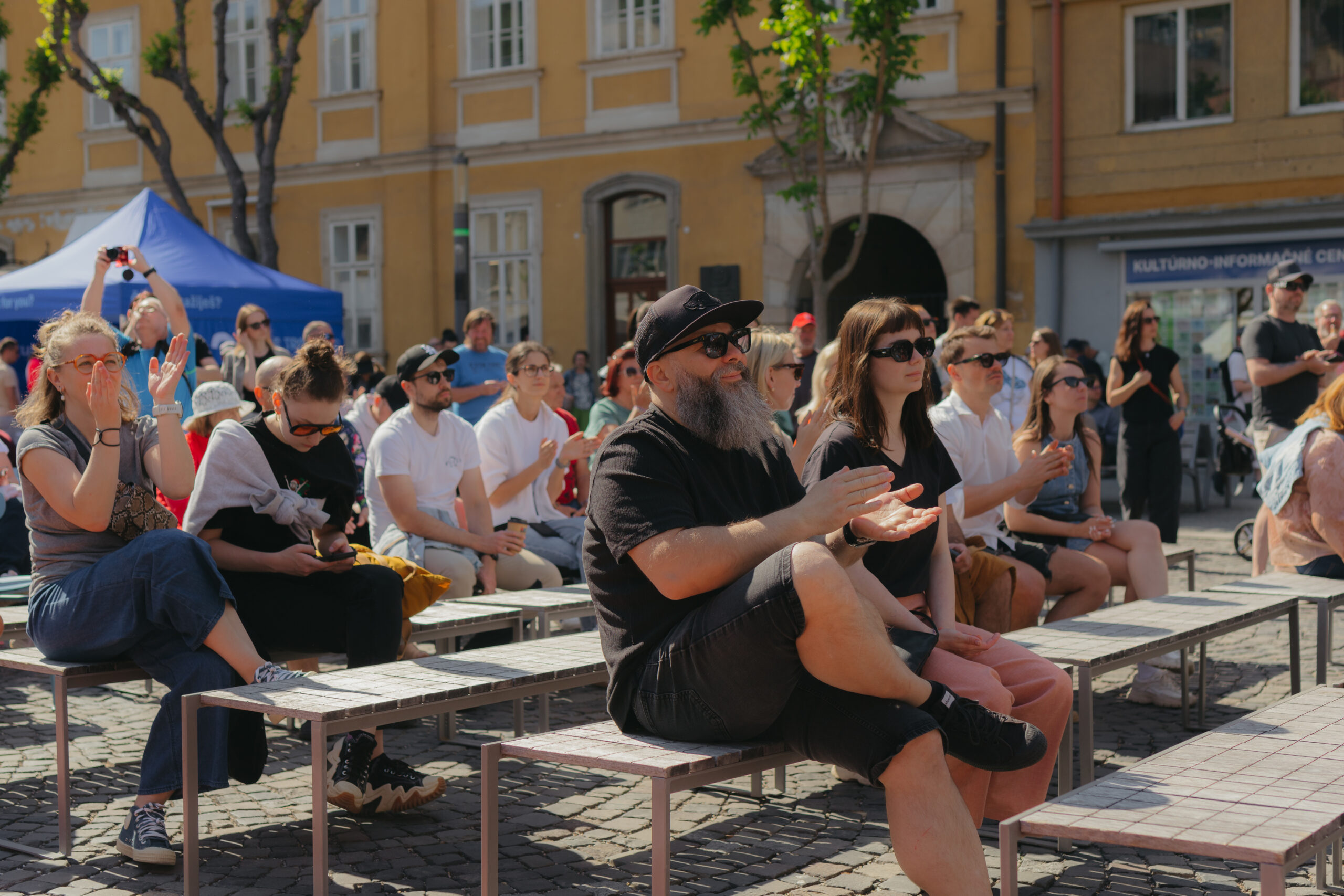
Saturday, 9 May 2026, Mierové námestie
As part of the Sounds of Democracy project, which we organize together with the Pohoda Festival, we invite you to the second event in the series, dedicated to the theme of democracy. Admission is free. What can you look forward to?
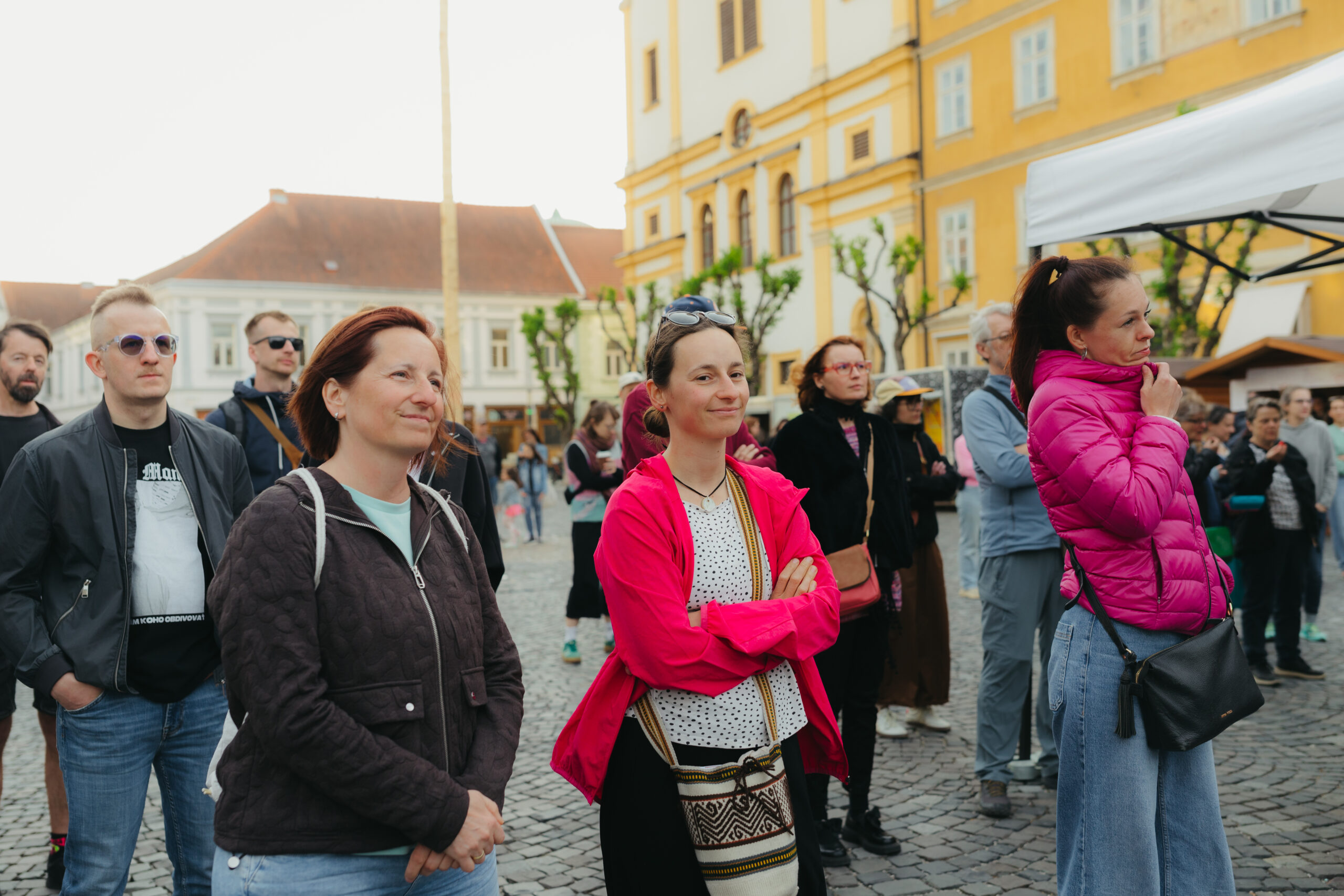
What does Europe Day mean today if we understand it not just as a reminder of a historical date, but as a living question about how we want to live together? Sounds of Democracy: Europe Day connects discussion, music, educational formats, and participation in public space to open up the topic of Europe through cultural experience and shared encounters.
Instead of a formal commemoration, the event creates a space where European values can be experienced: in conversation, in music, in shared public space, and at the common table of the Pan-European Picnic. Here, Europe Day is not presented as a closed symbol, but as an open invitation to reflect on freedom, cooperation, and responsibility today.
Mierové námestie
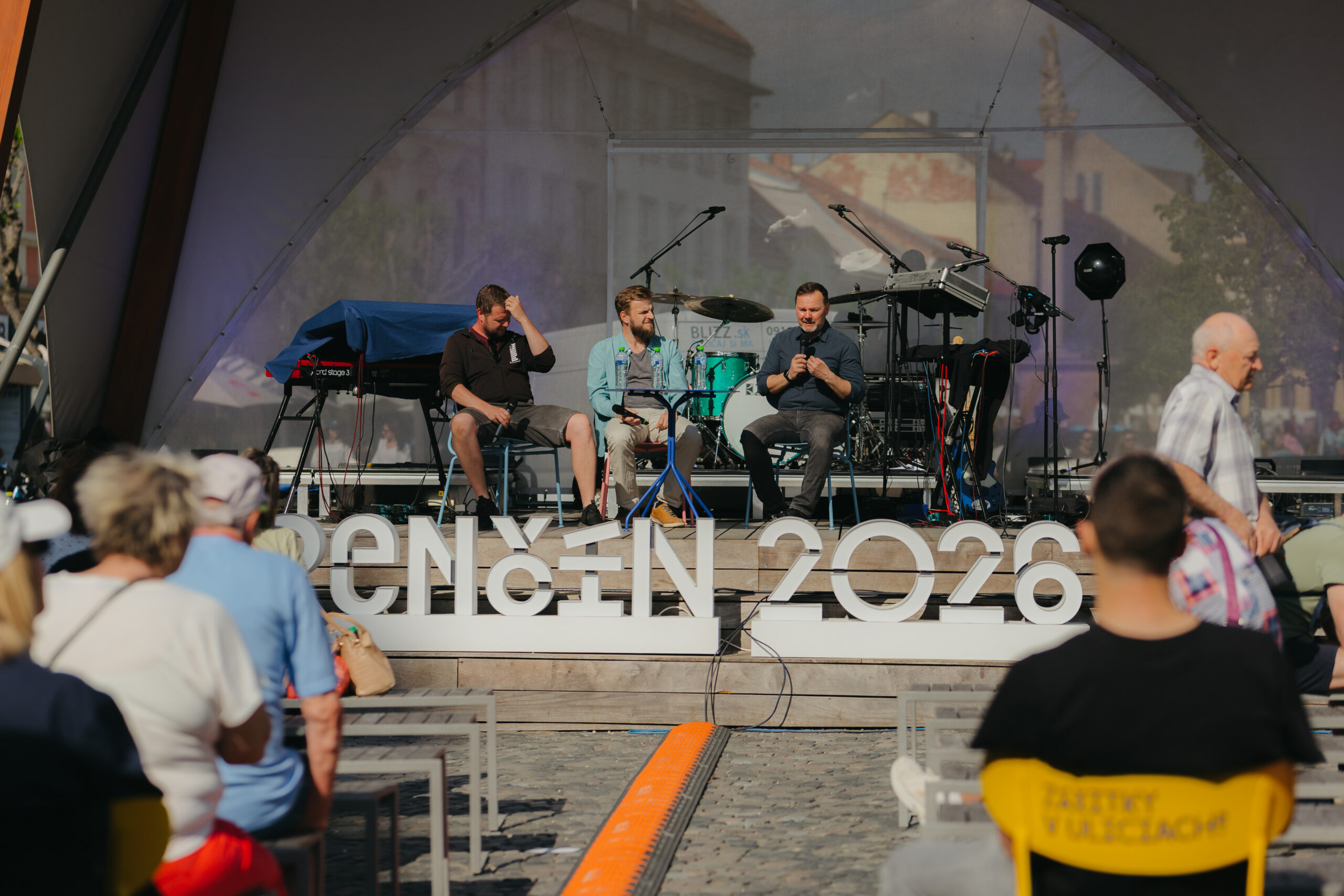
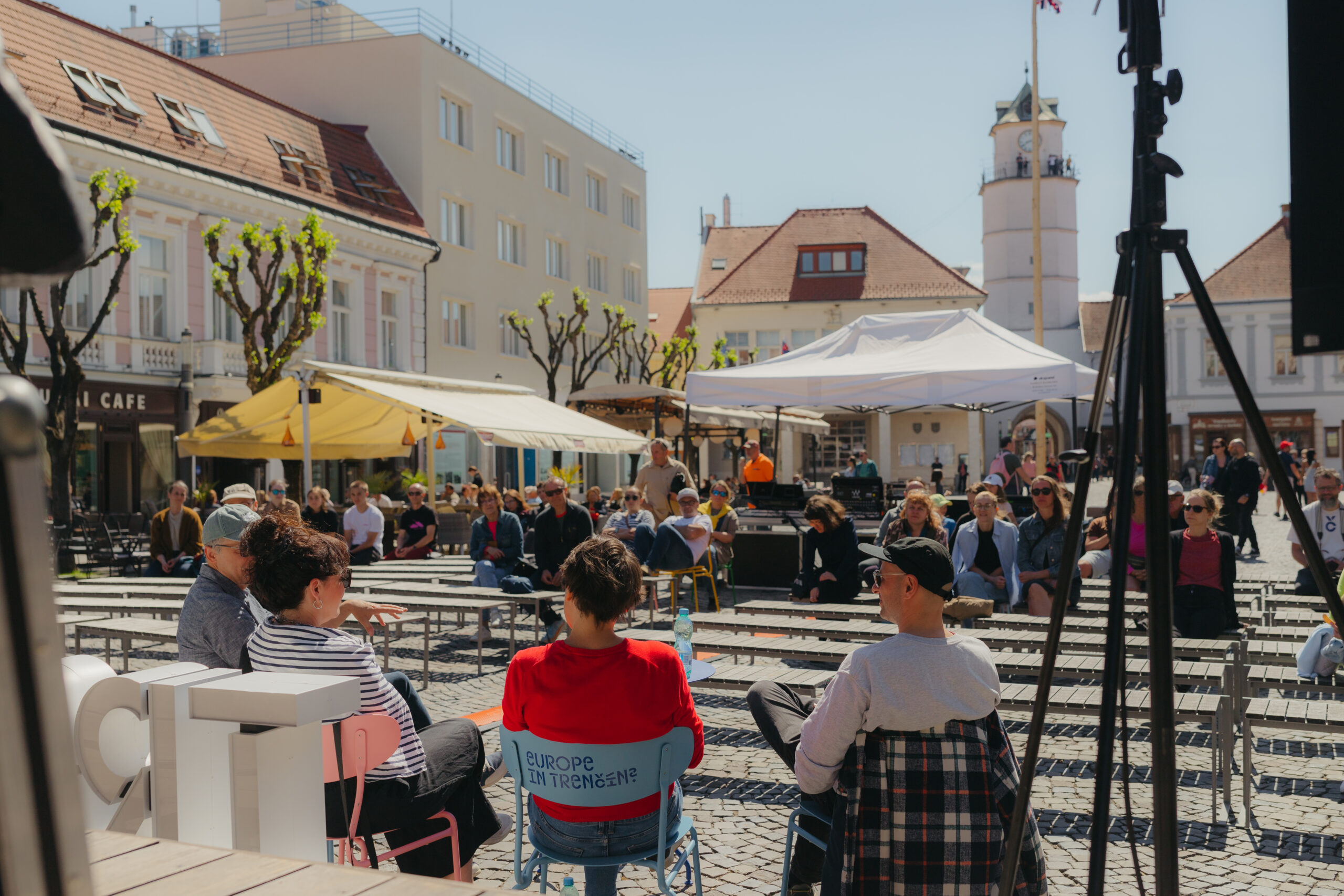
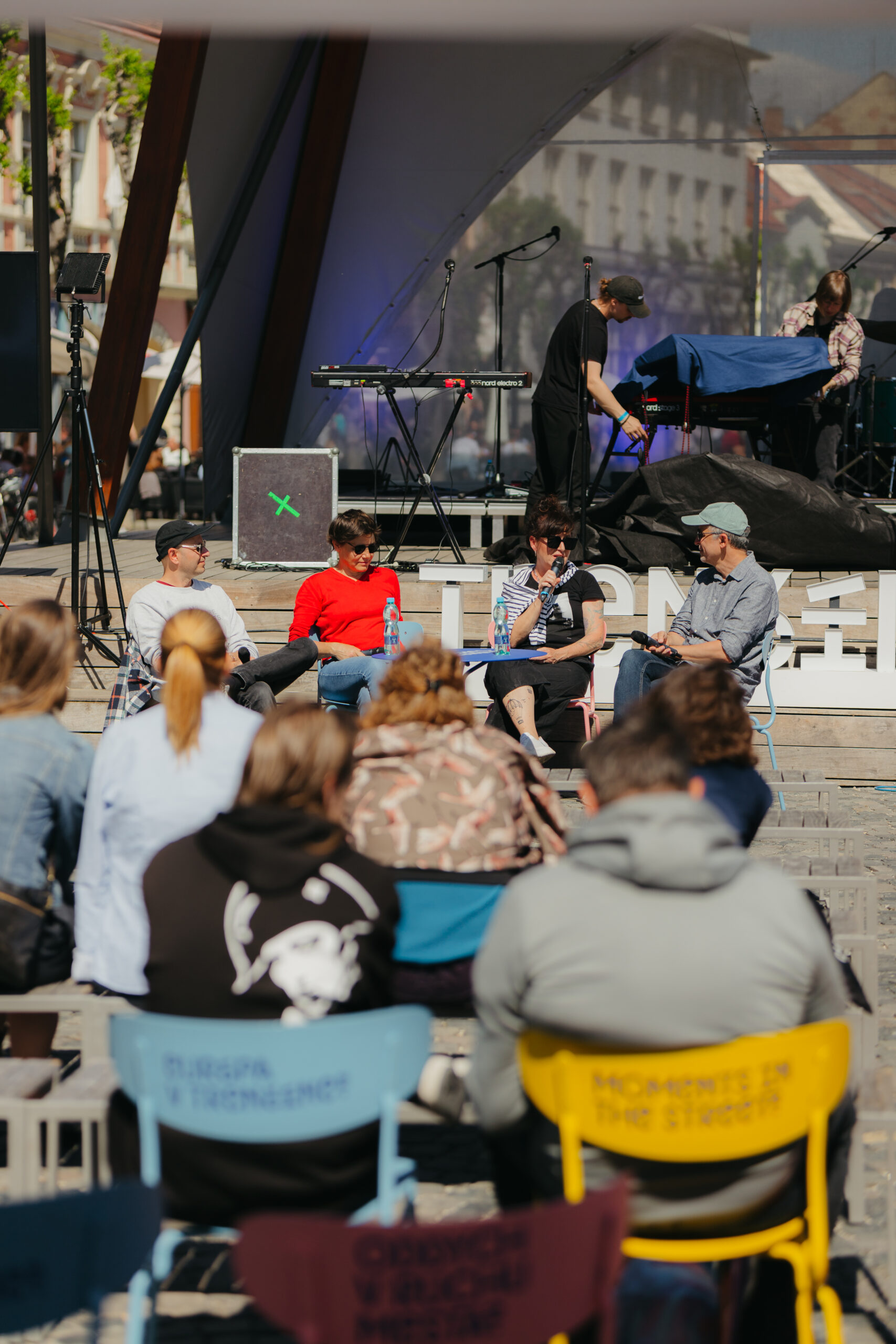
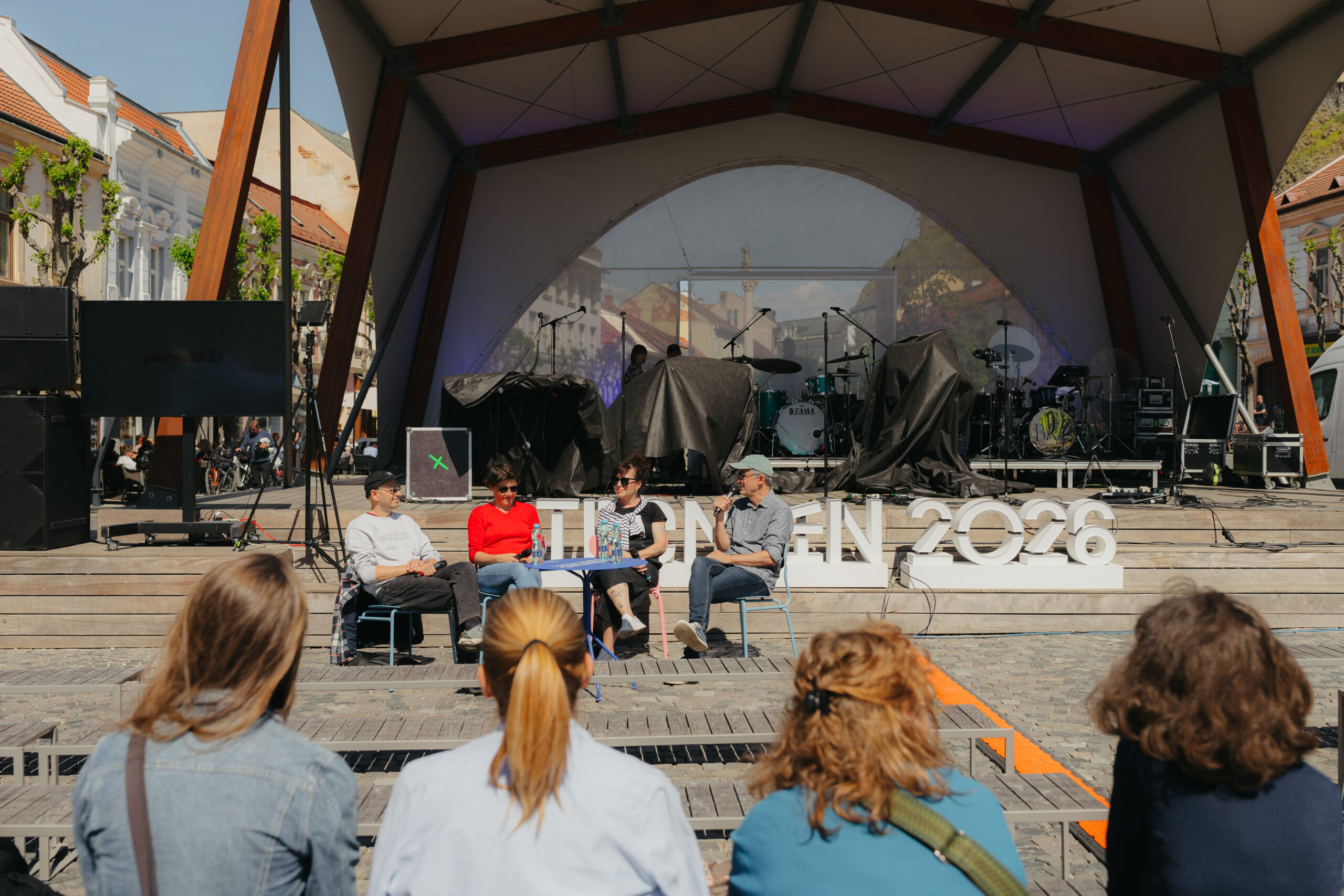
14:00 – 14:45 – Discussion: When Crisis Becomes the Norm
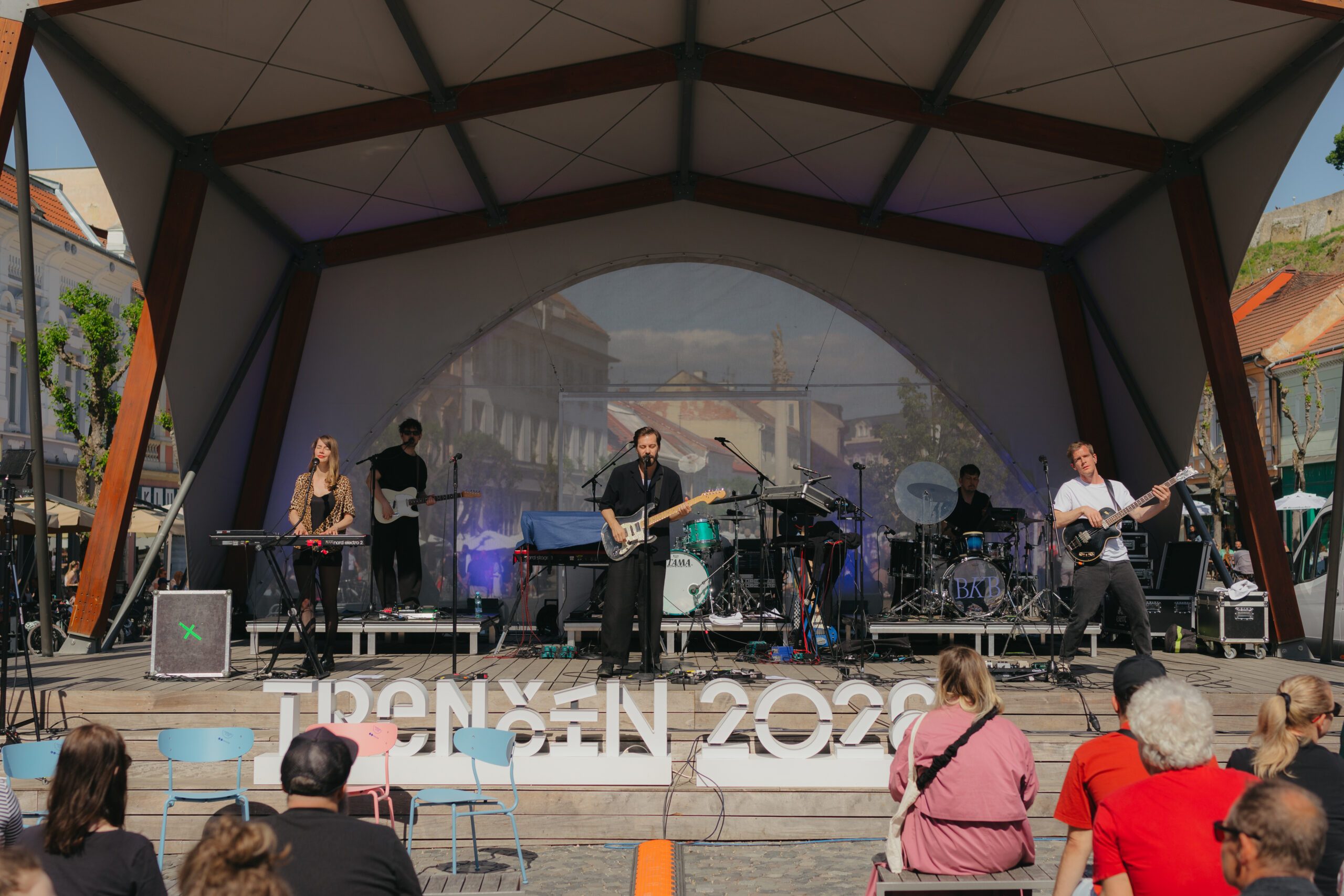
15:00 – 16:00 – Concert: Bad Karma Boy
16:15 – 17:00 – Discussion: Peace Beneath the Castle
17:15 – 18:15 – Interactive lecture on M. R. Štefánik
18:30 – 19:30 – Concert: KATARZIA + Band
KKC Hviezda
20:00 – 21:00 – Concert: Dakh Daughters (UA)
21:00 – 22:00 – Concert: Ventolin (CZ)
DISCUSSIONS
Interactive lecture: The Legacy of ŠTEFÁNIK: A European of His Time
Milan Rastislav Štefánik was a scientist, soldier, diplomat—and perhaps the first true European among us. Throughout his life, he believed that borders are obstacles to be overcome through dialogue, courage, and the ability to find common ground with anyone. The civic association Odkaz Štefánik will bring an experiential insight into his story and pose a living question: what from his legacy do we need today?
Resilience in uncertain times, the courage to express opinions, and the ability to build relationships across differences—values Štefánik fully embodied are more relevant in 2026 than ever. “We must live for one another, because the happiness of individuals grows in proportion to how much it spreads around them.”
— M. R. Štefánik
When Crisis Becomes the Norm: How to Create and Organize Culture in Permanent Crisis?
Moderator: Oliver Rehák
Guest:
Petra Fornay (director, choreographer, journalist, Nu Dance Fest)
Róbert Blaško (Director of the cultural centres Stanica Žilina-Záriečie and Nová Synagóga)
Dana Freyová (Civic Association Presahy)
Climate crisis, war, inflation, exhaustion—we live in a time when crisis is no longer an exception but a daily reality. These pressures fundamentally change how we work, think, and create. Culture often functions both as a mirror and a survival tool.
This discussion explores how to maintain creativity, solidarity, and a sense of shared purpose in such conditions. How can cultural events be organized without burnout? How do we respond to constant instability? And can culture offer more than temporary escape—perhaps new forms of resilience, cooperation, and imagination for the future?
Peace Beneath the Castle: Why War Misinformation Doesn’t Work in a City of Soldiers
Moderator: Vladimír Šnídl
Guests: Patrik Haburaj, Domicián Zahorjan
This discussion focuses on Trenčín as a city where the presence of the military is part of everyday life. Personal experience with soldiers and routine movements of military equipment can help reduce fears that often turn into online misinformation and hoaxes about war.
The discussion will explore how social media amplifies fear, why ordinary events become viral alarmist messages, and how local experience can counterbalance online panic. It connects perspectives across generations—from those who remember compulsory military service to younger participants who encounter the topic mainly through social media.
CONCERTS
Dakh Daughters (UA)
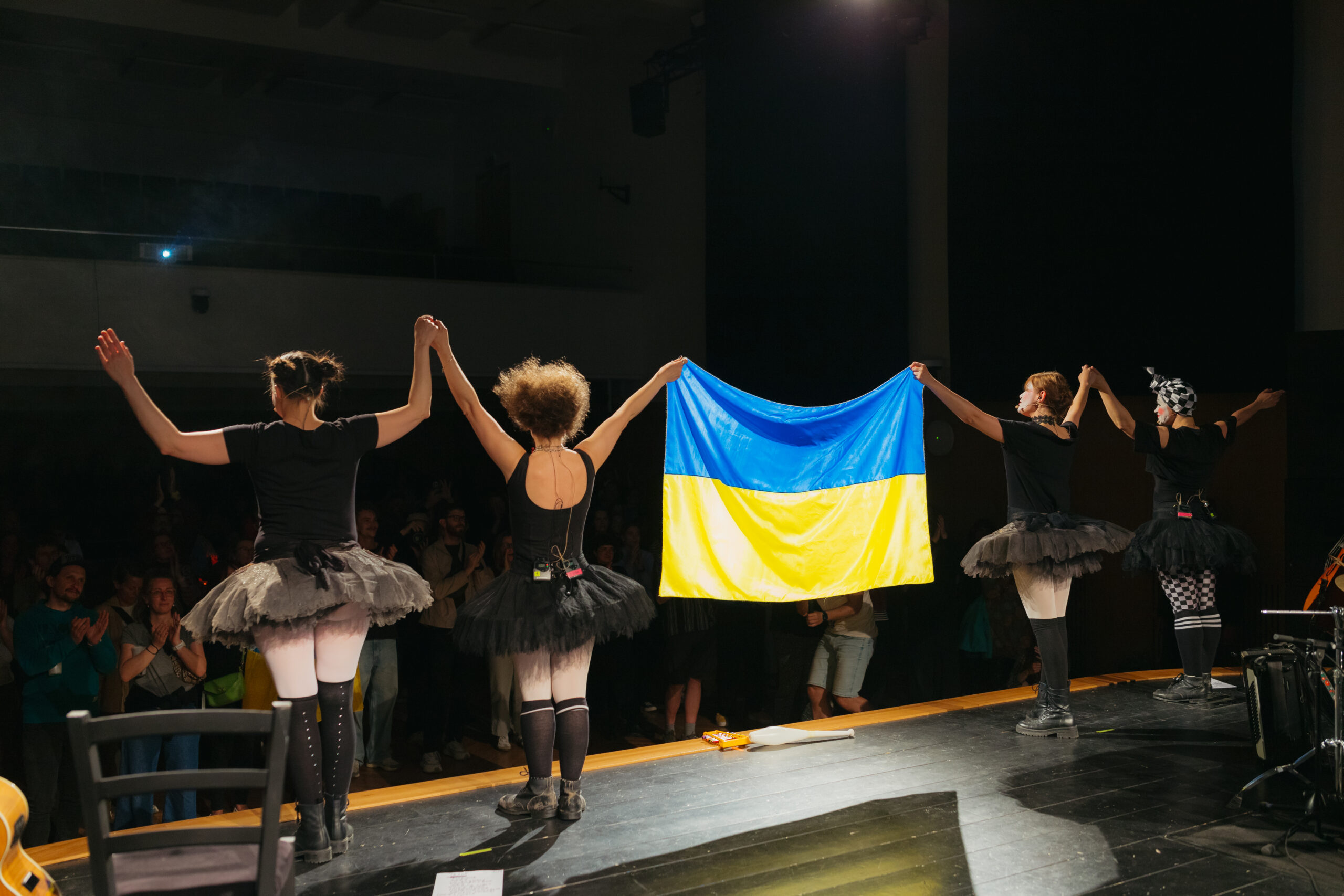
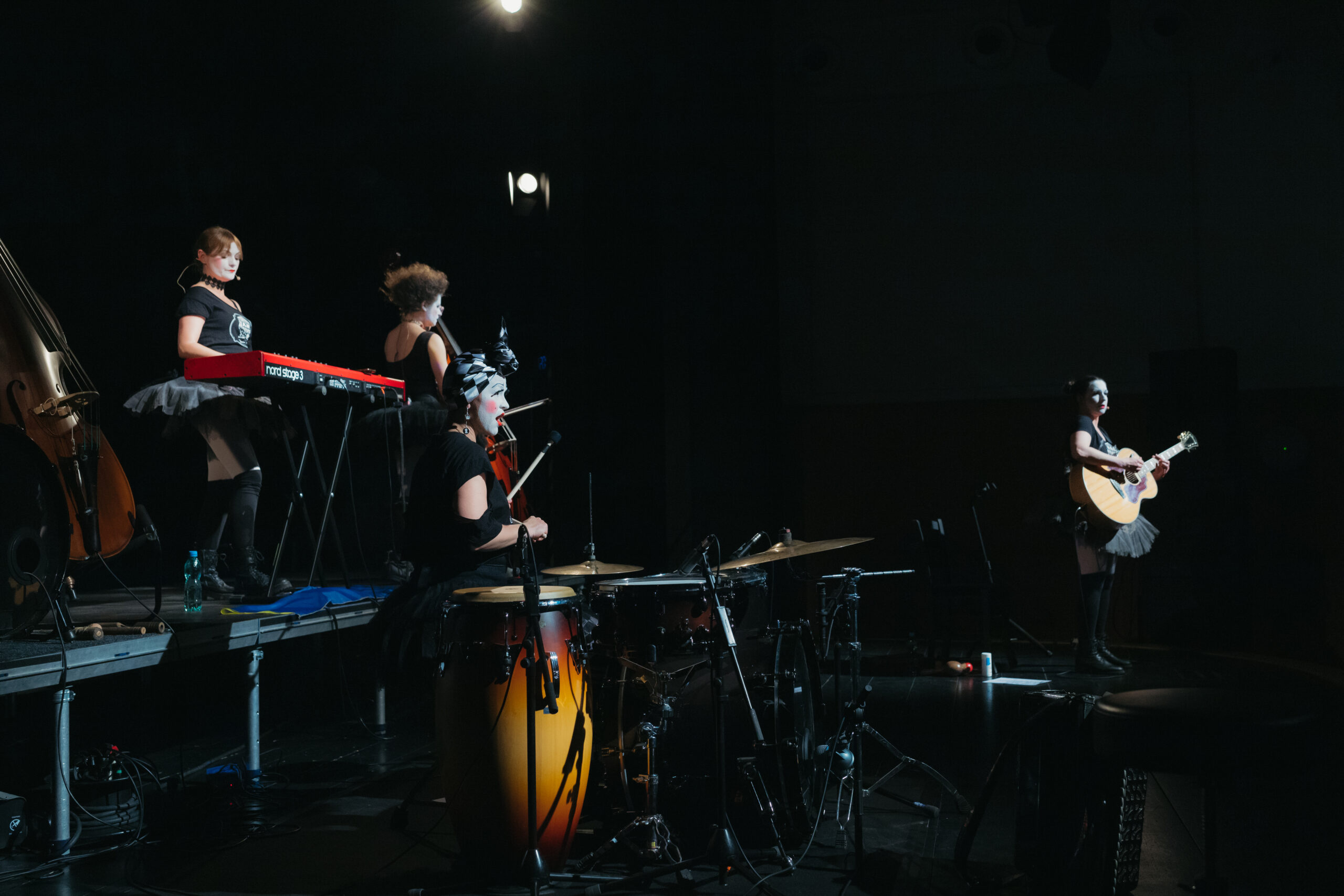
Dakh Daughters is a Ukrainian music-theatre collective founded in 2012 in Kyiv, connected to the Dakh Contemporary Art Center. Their distinctive style blends freak cabaret, punk, and Ukrainian folklore, combining music, theatre, and strong visual expression.
They gained international attention with the video Rozy / Donbass, which merges a Shakespeare sonnet with a folk song and became a symbol of their engagement during the Maidan protests in 2013. Their performances are intense, theatrical experiences—often described as a meeting of Mireille Mathieu and Marilyn Manson.
Bad Karma Boy
Bad Karma Boy consists of Juraj Marikovič, Adela Tihláriková, Alan Prekop, Roman Lauko, and Martin Zaujec. Active for over 10 years, they are known for their alt-pop sound and carefully crafted arrangements centered around strong songwriting. They have performed at festivals such as Grape, Pohoda, and Colours of Ostrava, as well as internationally.
Ventolin (CZ)
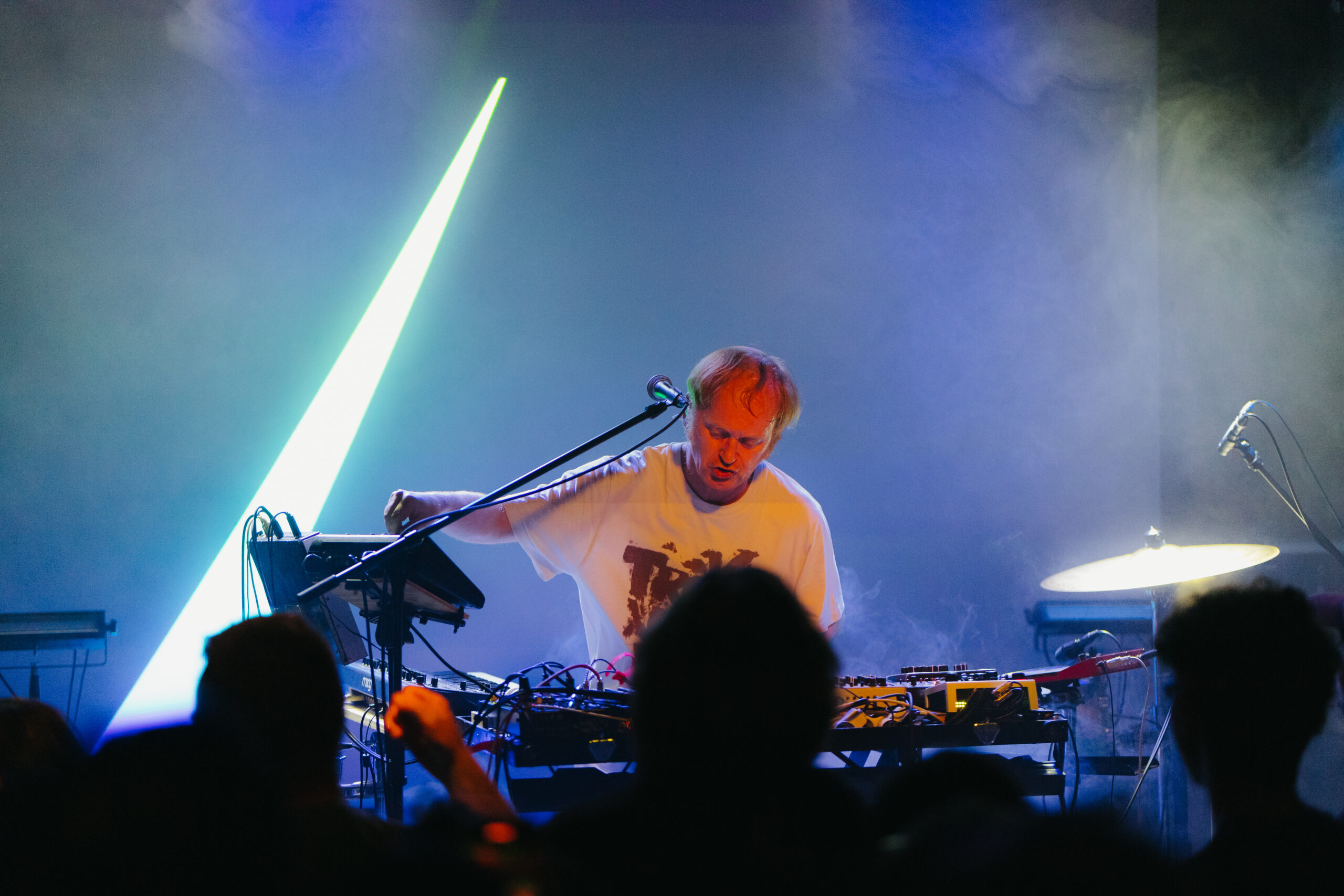
Ventolin is the solo project of musician and performer David Doubek, blending electronic music, pop, and absurd humor. His performances are energetic, playful, and performative, using irony and perspective to comment on everyday life, technology, and the overload of the modern world.
STREET FOOD: Pan-European Picnic
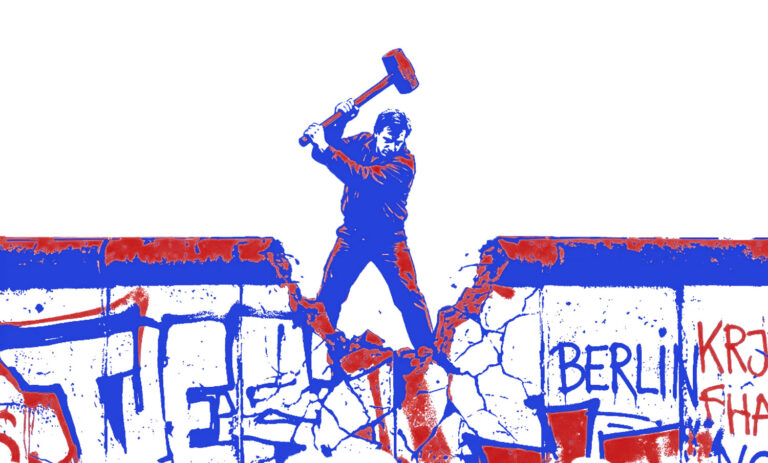
The Pan-European Picnic was a peaceful demonstration held on August 19, 1989, at the Austrian–Hungarian border near Sopron. It involved a three-hour opening of the border, allowing hundreds of East German citizens to escape to the West—an event that gained major international attention.
Originally conceived as a seemingly harmless gathering, it became a symbol of the fall of the Iron Curtain. Today, we transform this idea into a one-day street food market featuring European cuisines, connecting Europe through food, aromas, and shared dining.
WORKSHOP
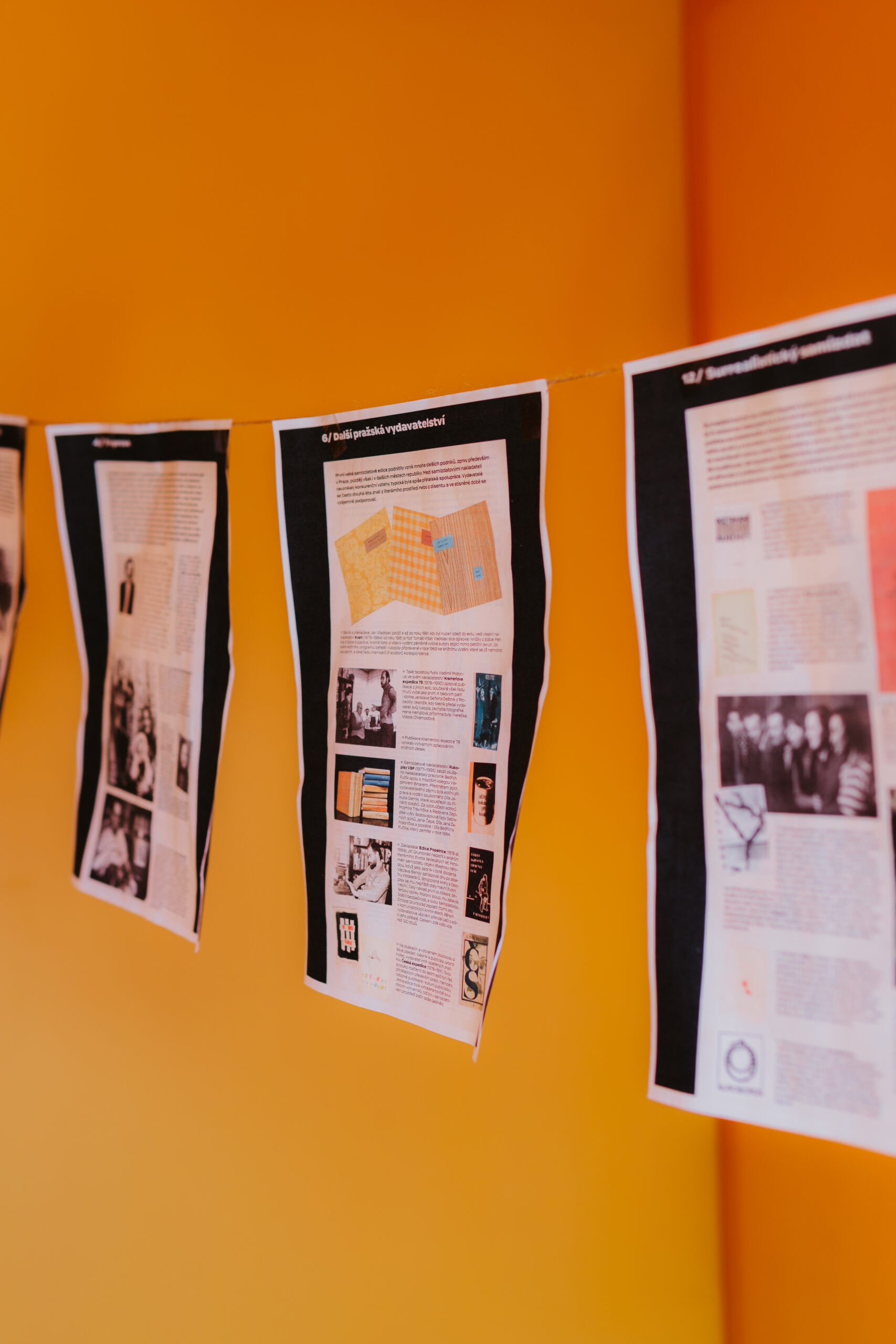
Samizdata ‘26 #03
Duration: throughout the event
Samizdat refers to unofficial, secretly distributed texts—books, magazines, leaflets—created outside state censorship, especially during communism in Eastern Bloc countries. Authors wrote freely, often under pseudonyms, knowing the risks.
Samizdata ‘26 builds on this tradition—while turning it on its head.
At a time when “freest” expressions spread anonymously and digitally, the project invites people to speak openly under their own names. In the foyer, a live sharing space will emerge: an open recording booth where visitors can record personal statements, thoughts, poems, memories, or messages for the future.
Each voice becomes part of a collective samizdat, continuously transcribed and later published as a digital edition Samizdata ‘26 vol. 3—freely shareable and open for further contributions.