What changes is the Trenčín 2026 project bringing to residents, visitors, and the cultural and creative sector? The first interim report by the DATA26 research and evaluation team provides some of the answers.
The report offers a preliminary overview of the project’s development, from the beginning of preparations in 2023 through to the European Capital of Culture Opening Weekend in February 2026. It is not a final evaluation of the project, but rather the first summary of evidence and data helping us better understand the impact of Trenčín 2026 on the city, its communities, the cultural and creative sector, and its visitors.
To compile the report, the DATA26 research team combined multiple data sources, including representative surveys of local residents and visitors during the Opening Weekend, focus groups and interviews, mobile network data analysis, and ethnographic observations. This mixed-method approach captures not only the numbers, but also the stories and experiences of people.
What have we learned so far?
The data collected to date highlights several key findings:
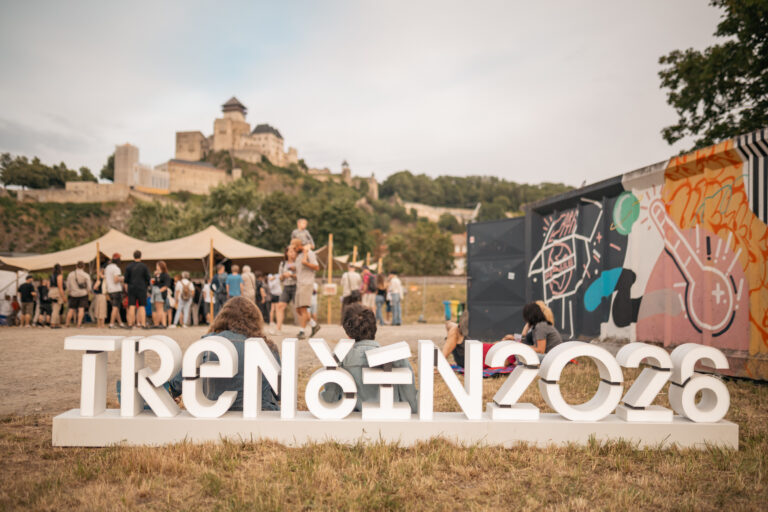
- Trenčín opened itself to the world—and the world responded. The Opening Weekend attracted more than 51,000 unique visitors from Slovakia and abroad, demonstrating the city’s ability to host events of European significance.
- Culture helps build relationships and trust. The data indicates growing social trust and stronger community ties, particularly through volunteering and cultural participation.
- Residents want to be more involved in cultural life. The biggest barriers are not a lack of interest or ticket prices, but insufficient information and a feeling of being disconnected from cultural activities.
- The European Capital of Culture title strengthens an already existing cultural ecosystem. The region’s cultural and creative sector had solid foundations before 2026, but it continues to face challenges related to funding and capacity.
- Quality of life matters—but so does where people live. Differences in how residents perceive the city are linked more closely to the neighbourhood they live in than to their age or gender.
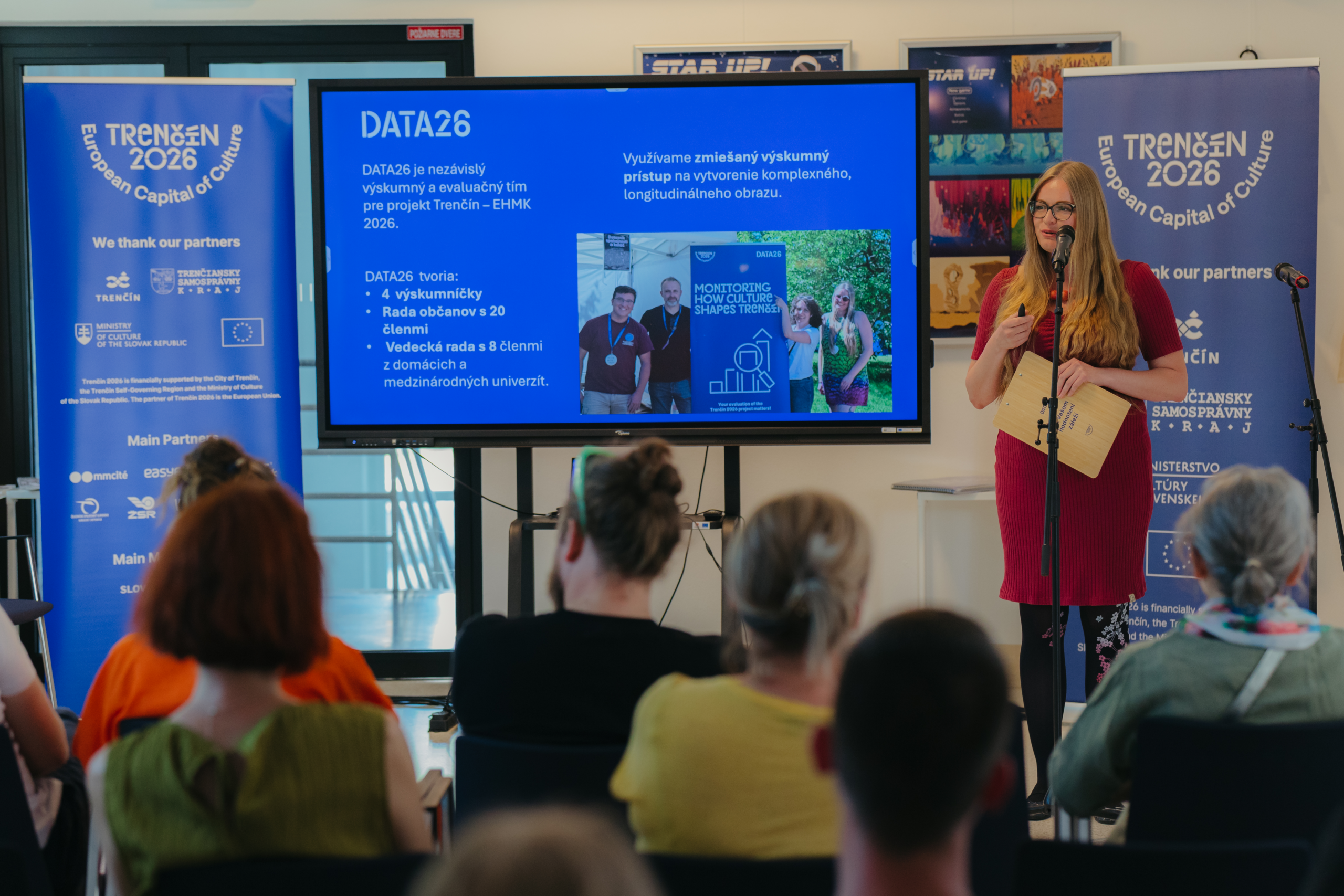
On 26 May 2026, we presented these findings at a meeting of the Trenčín cultural community, opening a discussion on how the insights gained can support the further development of cultural life in the city. We would like to thank everyone who joined us to share experiences, make new connections, and explore how culture and research can continue to grow and collaborate in our region.
During the event, we were joined by Stanislav Krajči, Director of Trenčín 2026, and Lumir Mati, Executive Manager of the Trenčín 2026 Opening Ceremony, to discuss the Opening Weekend, the role of data, and its use in the cultural sector. Alongside our research findings, the implementation team also presented the vision that guided preparations for the European Capital of Culture year. The event was simultaneously interpreted into English and livestreamed, serving as an inspiration for other European Capitals of Culture currently preparing for their own title year.
A recording of the entire event, including our presentation, is available on YouTube:
https://www.youtube.com/live/lHrPPmqtNU0?feature=share
You can read the full interim report, including the detailed methodology and complete findings, here:
Interested in learning more? Follow us!
In early September 2026, we will publish the monitoring report for Light Art Festival 2026, held in April this year. In addition to visitor numbers and audience insights, the report will also present the results of our inclusive monitoring.