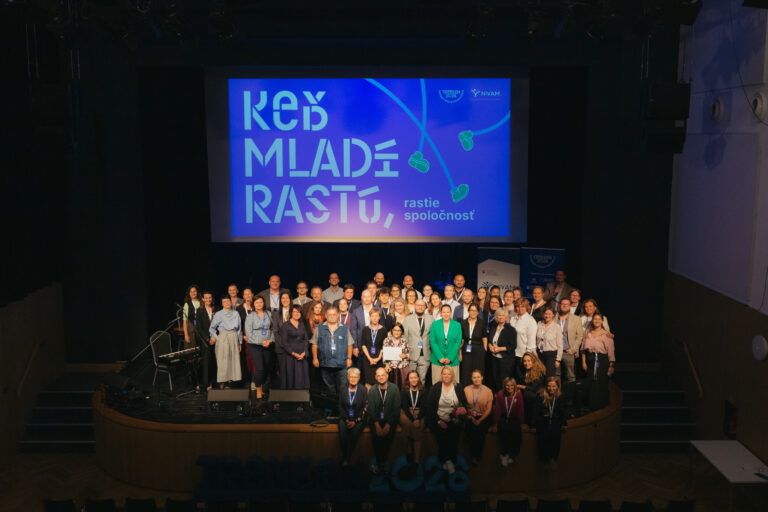
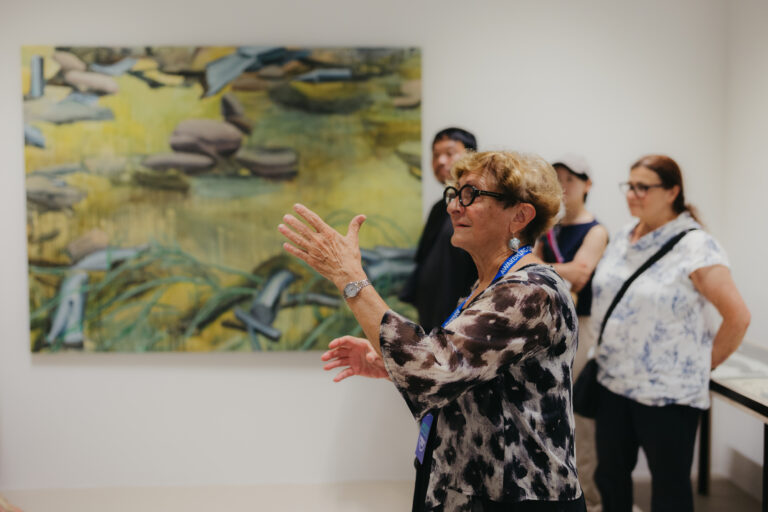
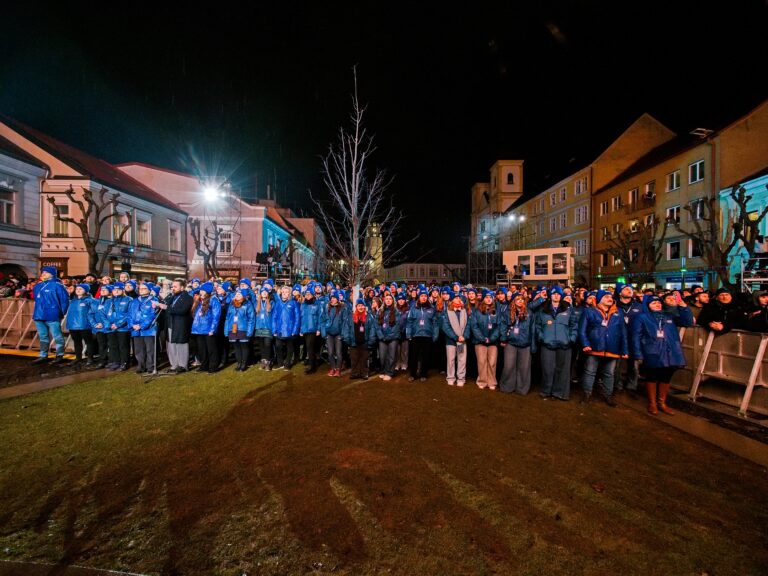
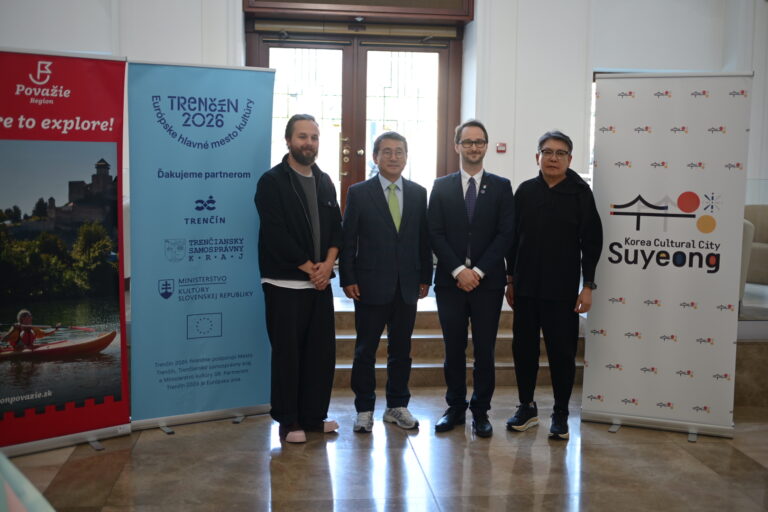
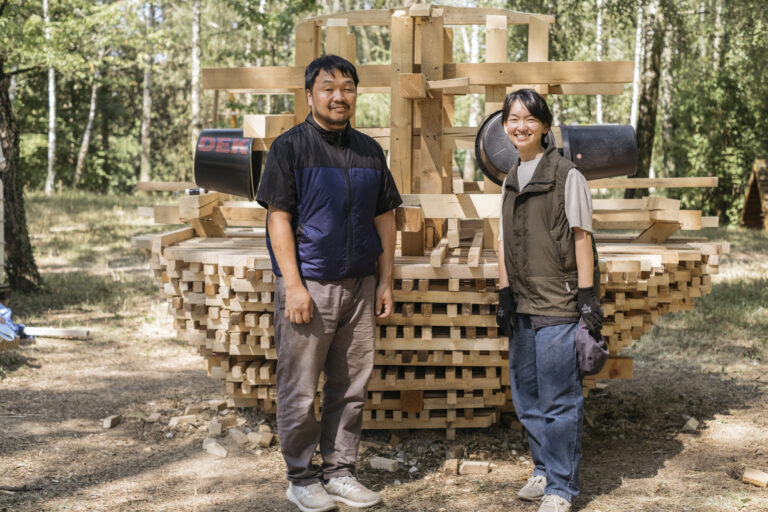
On September 18–19, 2025, the final Kultuurikompass Forum 2025 conference took place in Tartu 2024, the Estonian European Capital of Culture, focusing on sharing experiences and insights from the implementation of the European Capital of Culture (ECoC) project.
The DATA26 team attended the conference in person with the aim of gaining inspiration for upcoming activities related to monitoring and evaluating the project’s impacts, especially in preparation for the final evaluation conference.
We learned more about this trip from DATA26 researchers Katarína Rozvadská and Zuzana Pešťanská:
“During our stay, we met with two project managers from the Tartu 2024 team — one responsible for the Creative Partnership project (cooperation and community interventions with schools) and another leading the volunteer program.
In informal discussions, we talked about their experiences with project management, monitoring processes, and what the legacy looks like — the continuation of projects after the ECoC title year.
On their recommendation, we explored the city and visited several placemaking interventions created during Tartu 2024, all of which had a strong participatory character. These real-life examples provided valuable insights into how communities, public spaces, and culture can be effectively connected.On Thursday evening, September 18, we had the opportunity to speak in person with Beatriz Garcia, an international expert in cultural policy, ECoC impact research, and a former member of the European Commission’s Monitoring Panel. The discussion focused on her reflections on the ongoing conference, the evaluation conducted in Tartu 2024 and other cities, as well as on the sustainability and long-term effects of cultural programs.”
On Friday, September 19, we attended the Monitoring Breakfast, a working meeting of representatives from Trenčín 2026, Łubin 2029, Kiruna 2029, and Liepāja 2027. The discussion centered on exchanging experiences in ECoC monitoring and impact evaluation — from methodologies to engaging local partners and residents in the process itself.
During the conference, we also established contact with Júlia Bucz, International Relations representative for the Veszprém 2023 and Chemnitz 2025 projects and founder of the ECoC International Relations Network. We discussed opportunities for international cooperation in ECoC impact research and possible future joint initiatives.
From the panels, workshops, and discussions at Kultuurikompass, we took away a wealth of inspiration for the upcoming final evaluation conference of Trenčín 2026, scheduled for 2027, which will focus on assessing the economic, cultural, and social impacts of the project.
The experiences of Tartu, Liepāja, and Chemnitz help us better understand how to approach the evaluation of cultural projects so that their benefits for the city and its inhabitants remain visible even after the ECoC title year has ended.