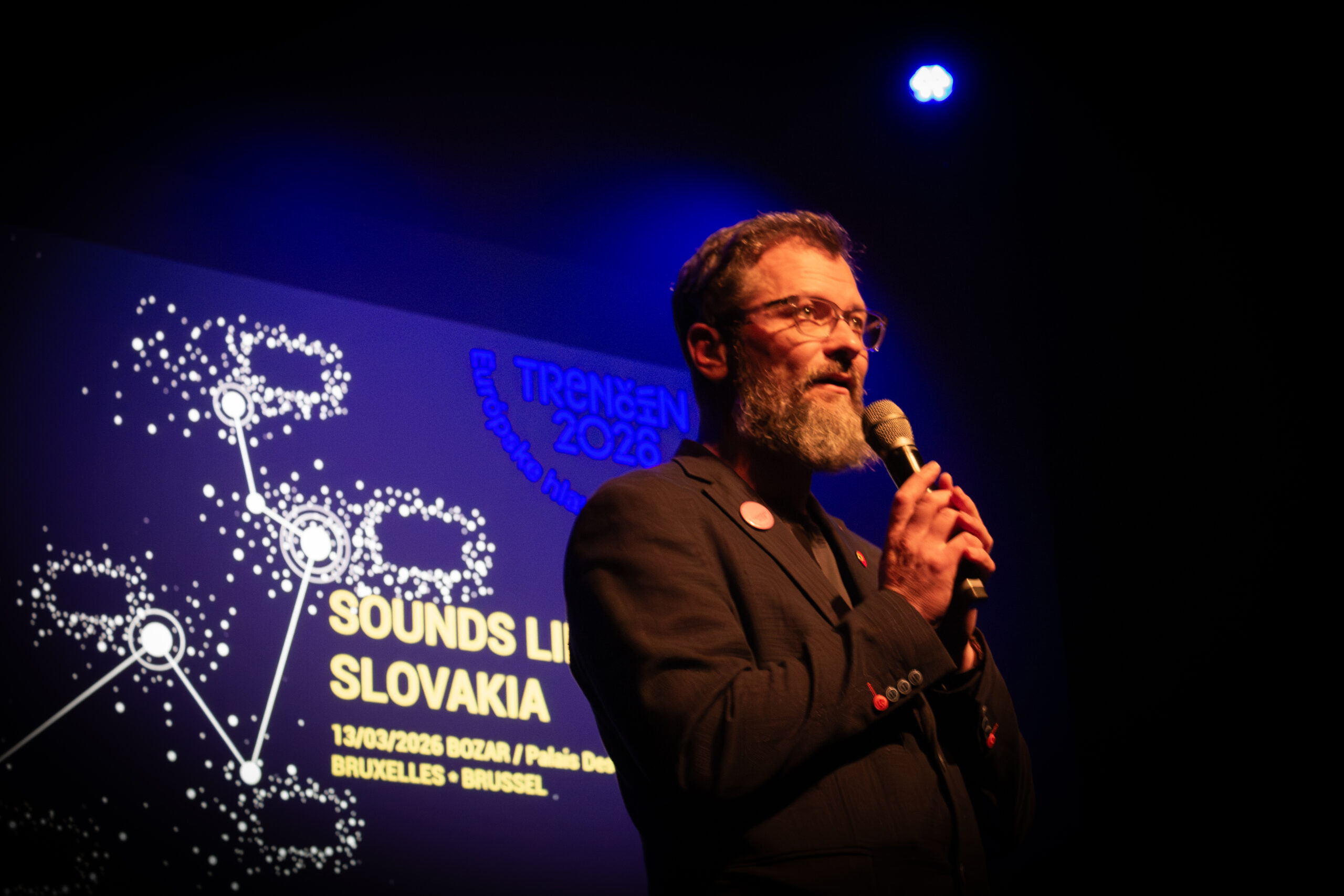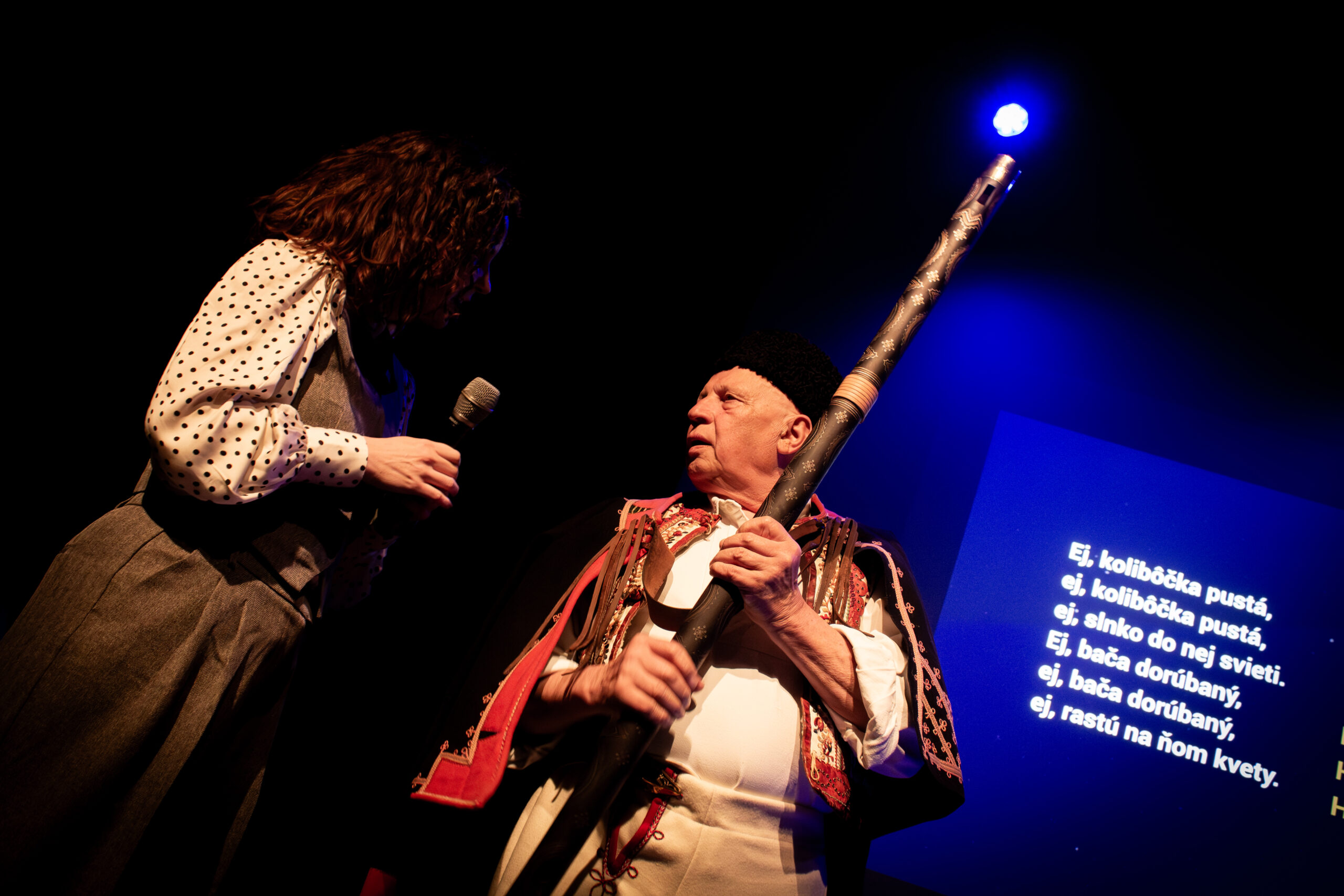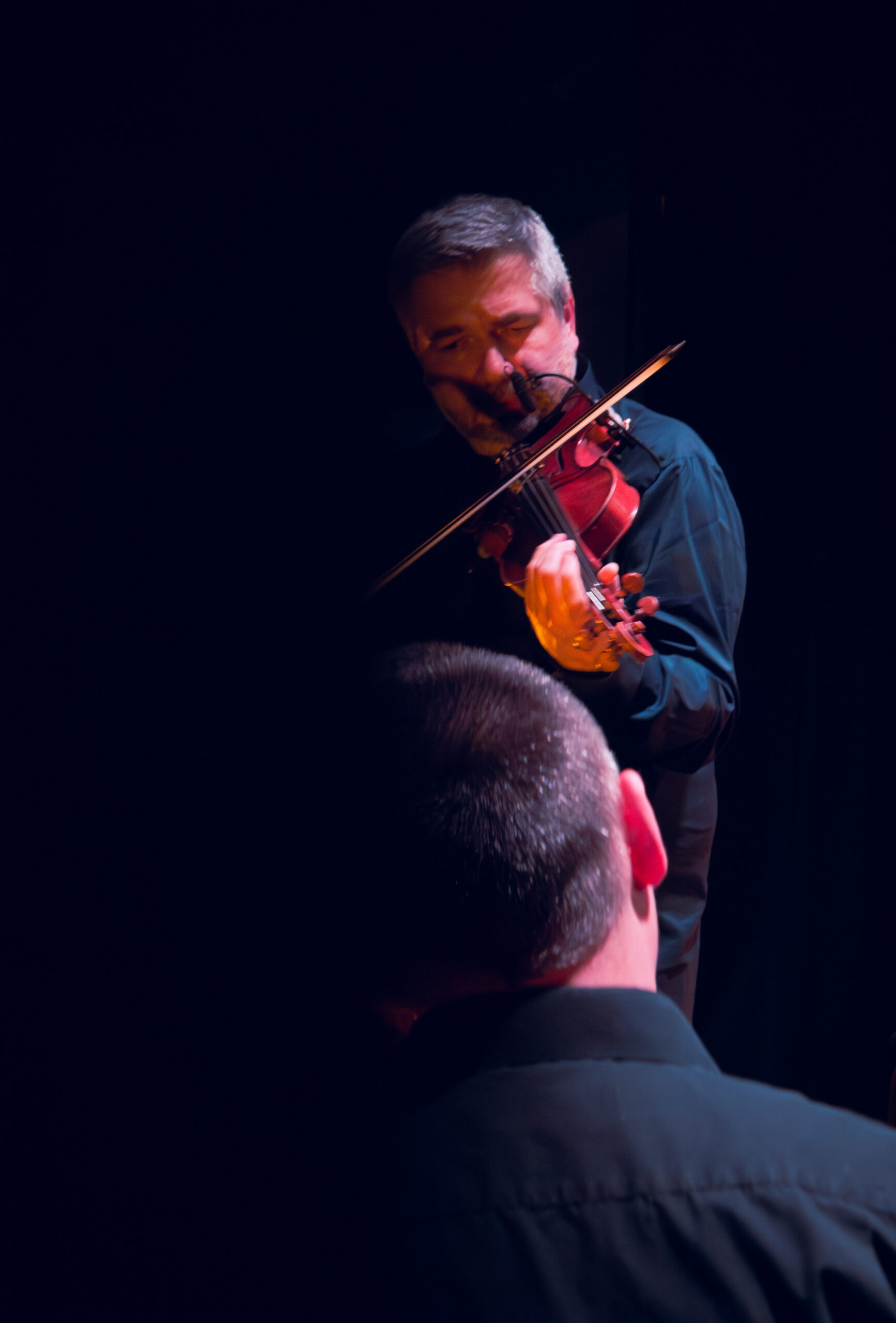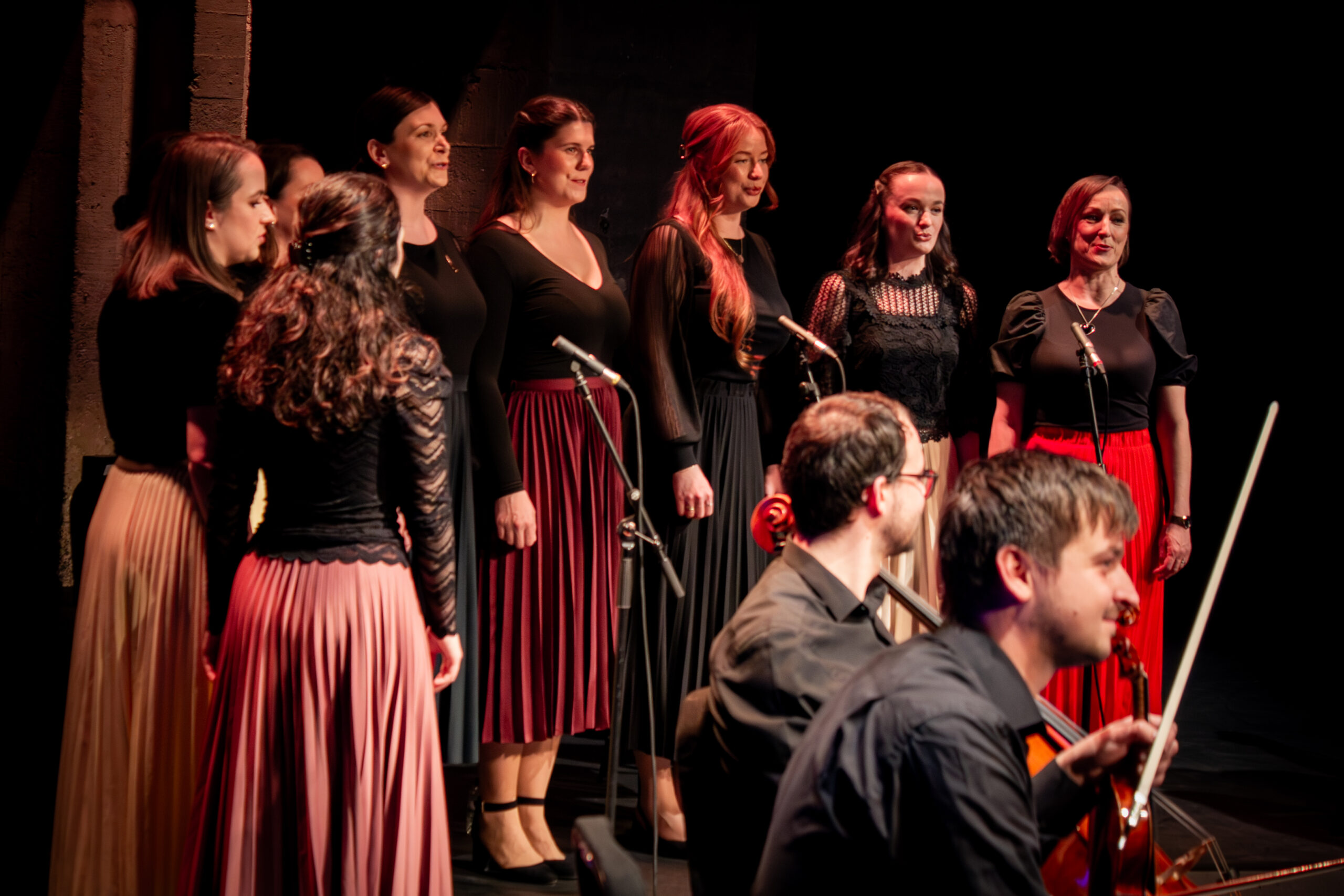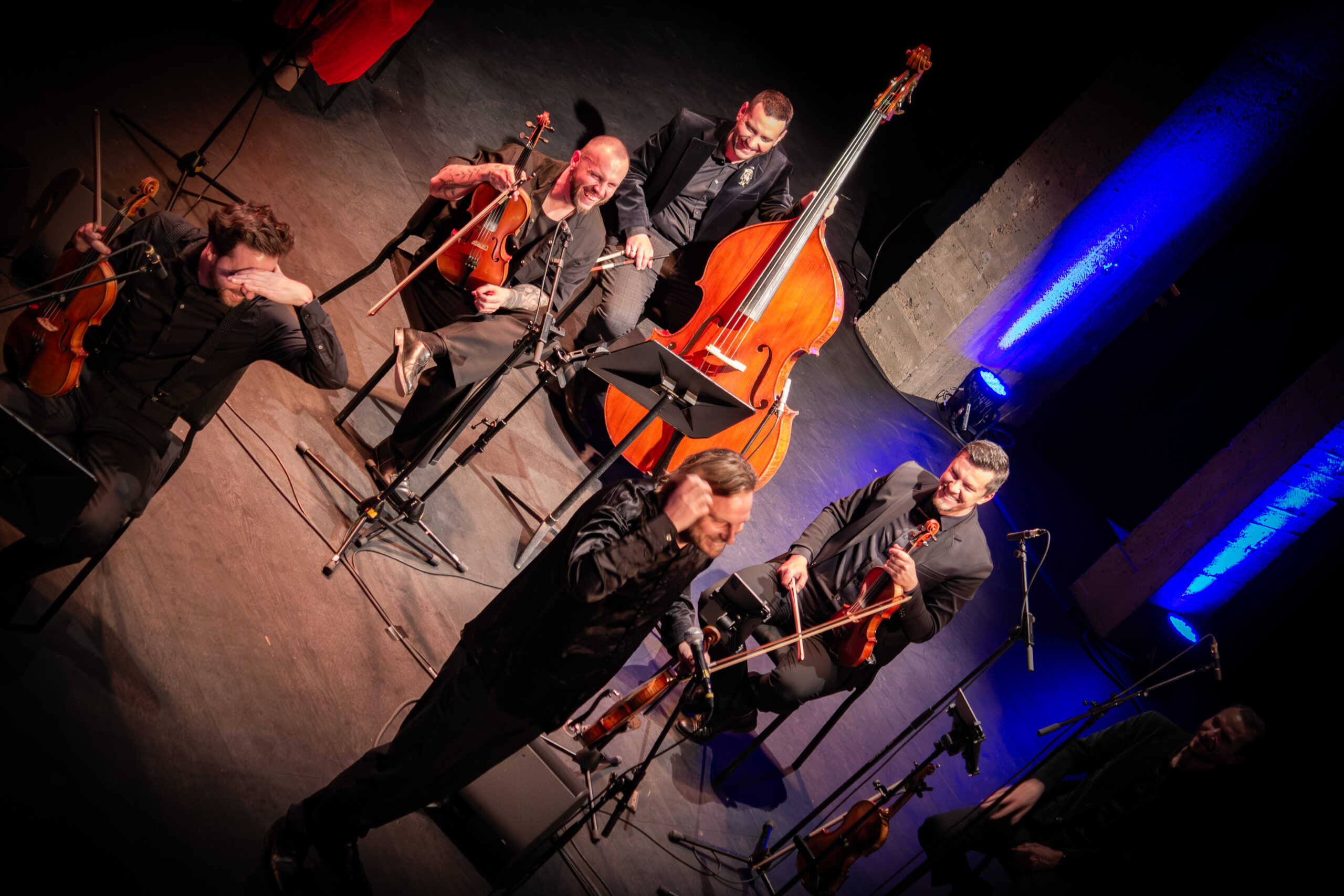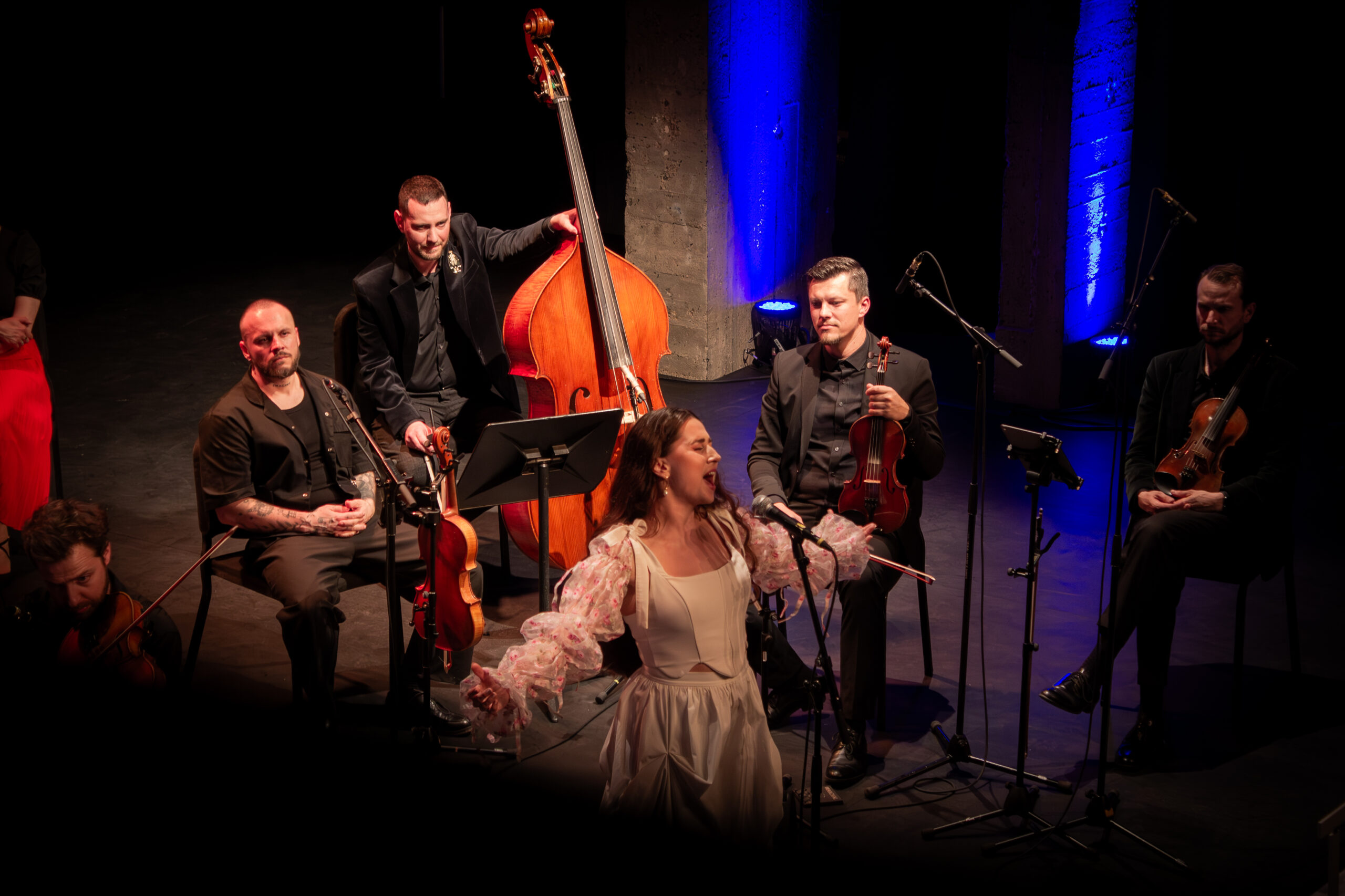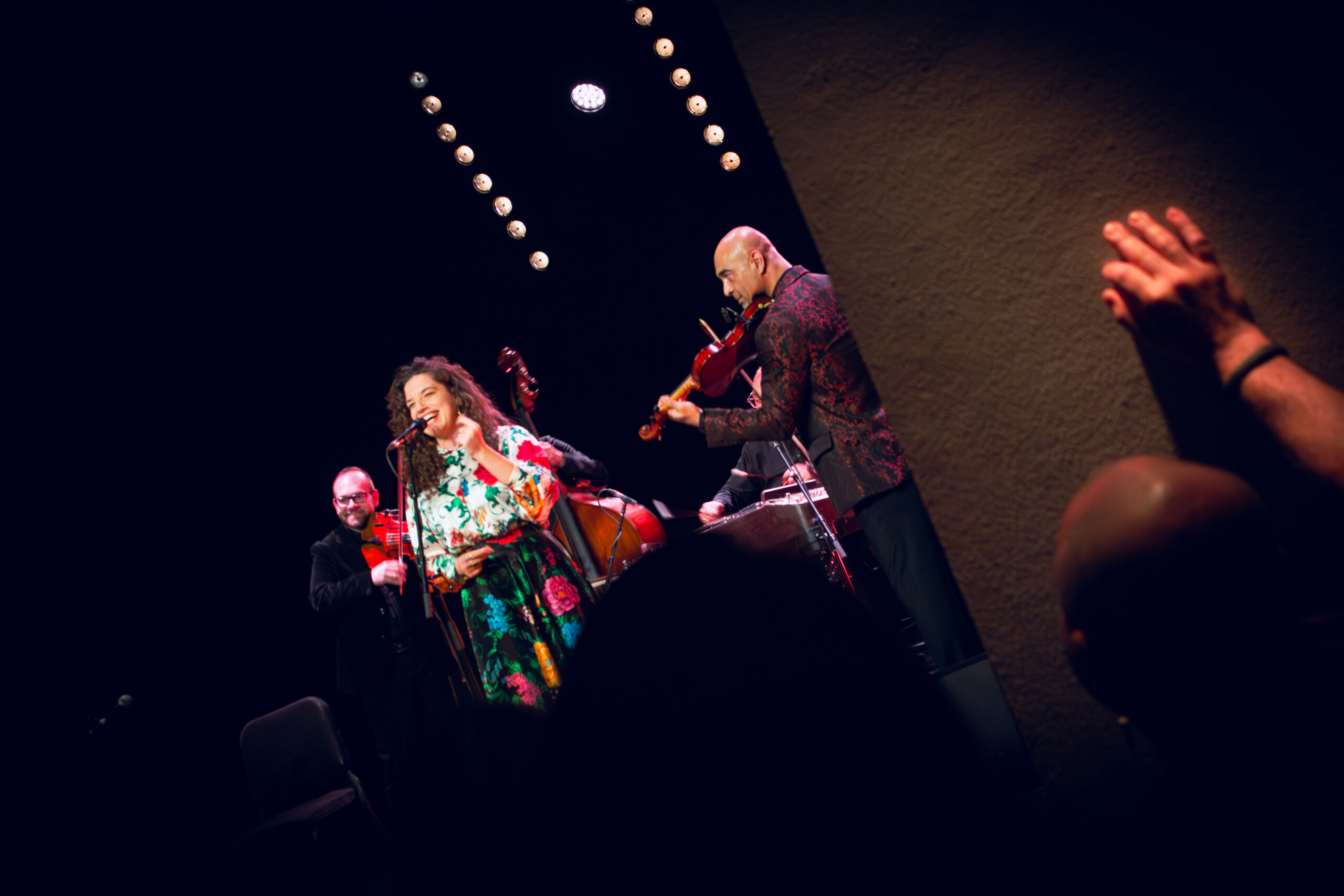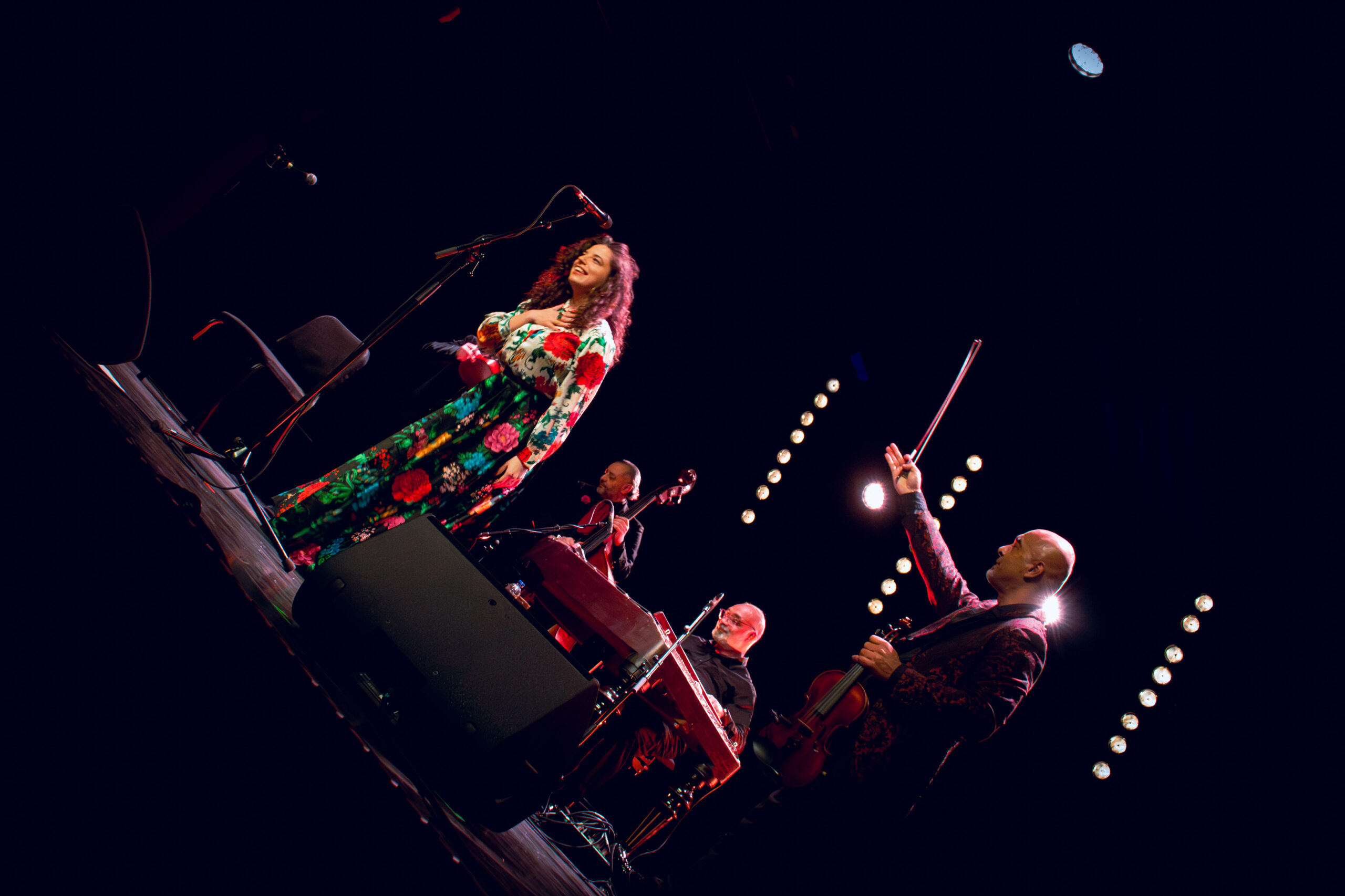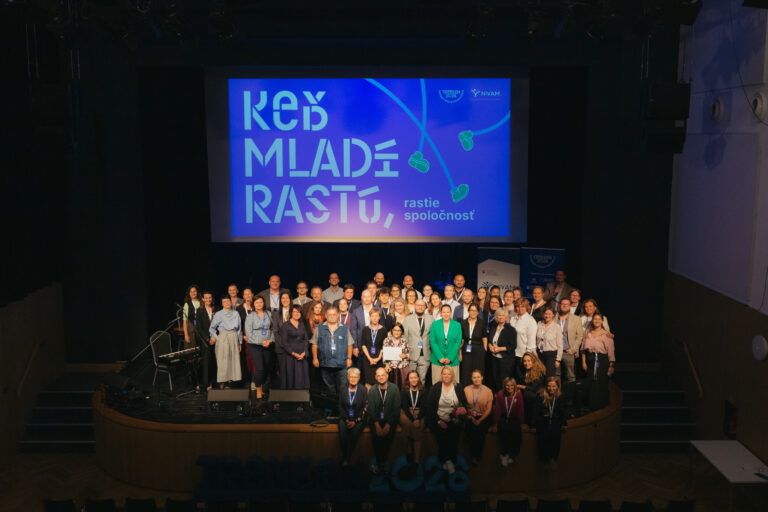
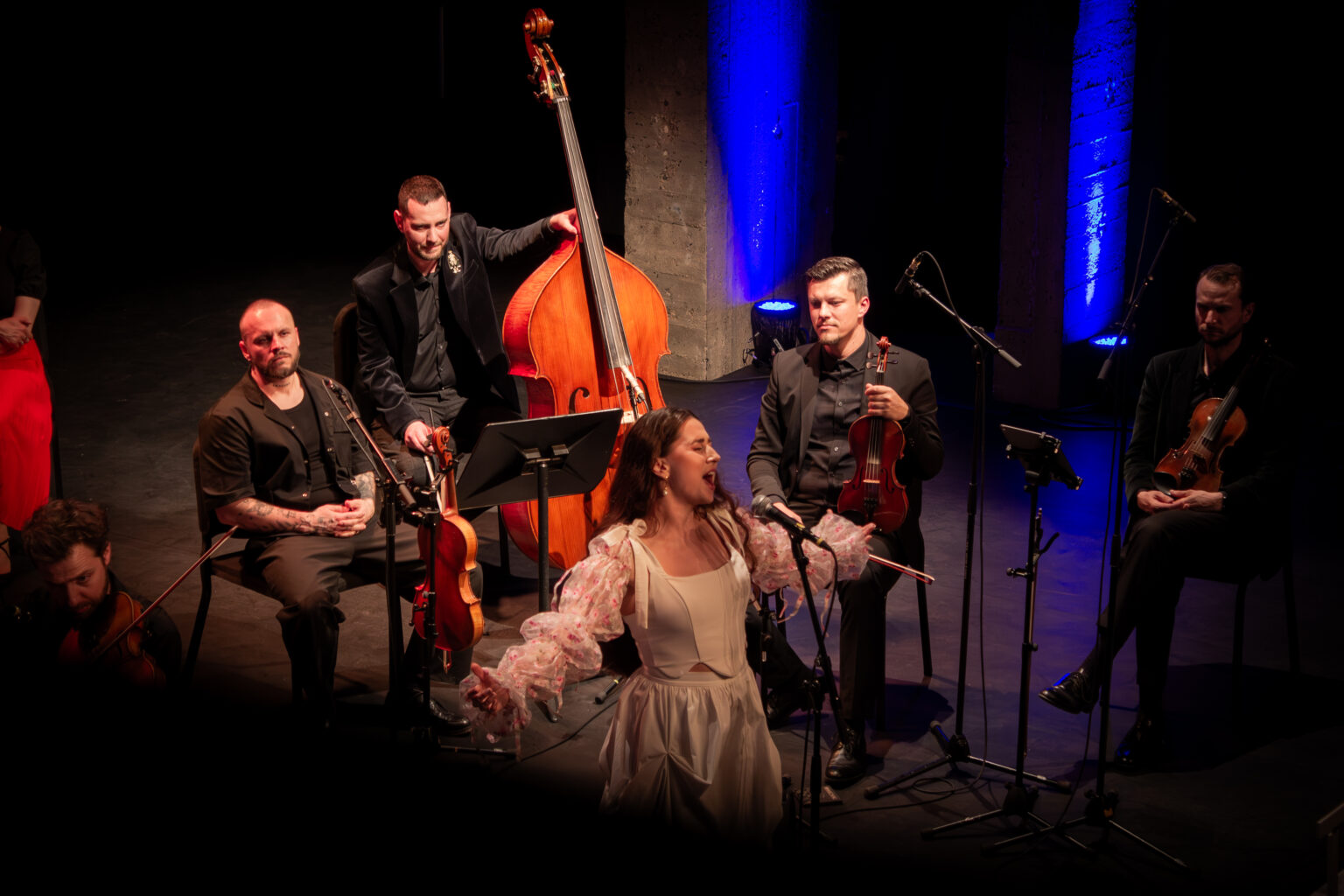

On Friday, 13 March, the event SOUNDS LIKE SLOVAKIA took place at the BOZAR Palace of Fine Arts in Brussels, a showcase of top projects from the rich and diverse Slovak world music scene. With strong interest from both the Slovak community in Belgium and Luxembourg as well as a large Belgian audience, the following artists performed: Pacora Trio, the project Obrázky zo Slovenska, the fujara duo Karol Kočík and Ondrej Selecký, and Júlia Kozáková with her project Manuša. The entire evening was hosted by ethnomusicologist and academic Jana Ambrózová.
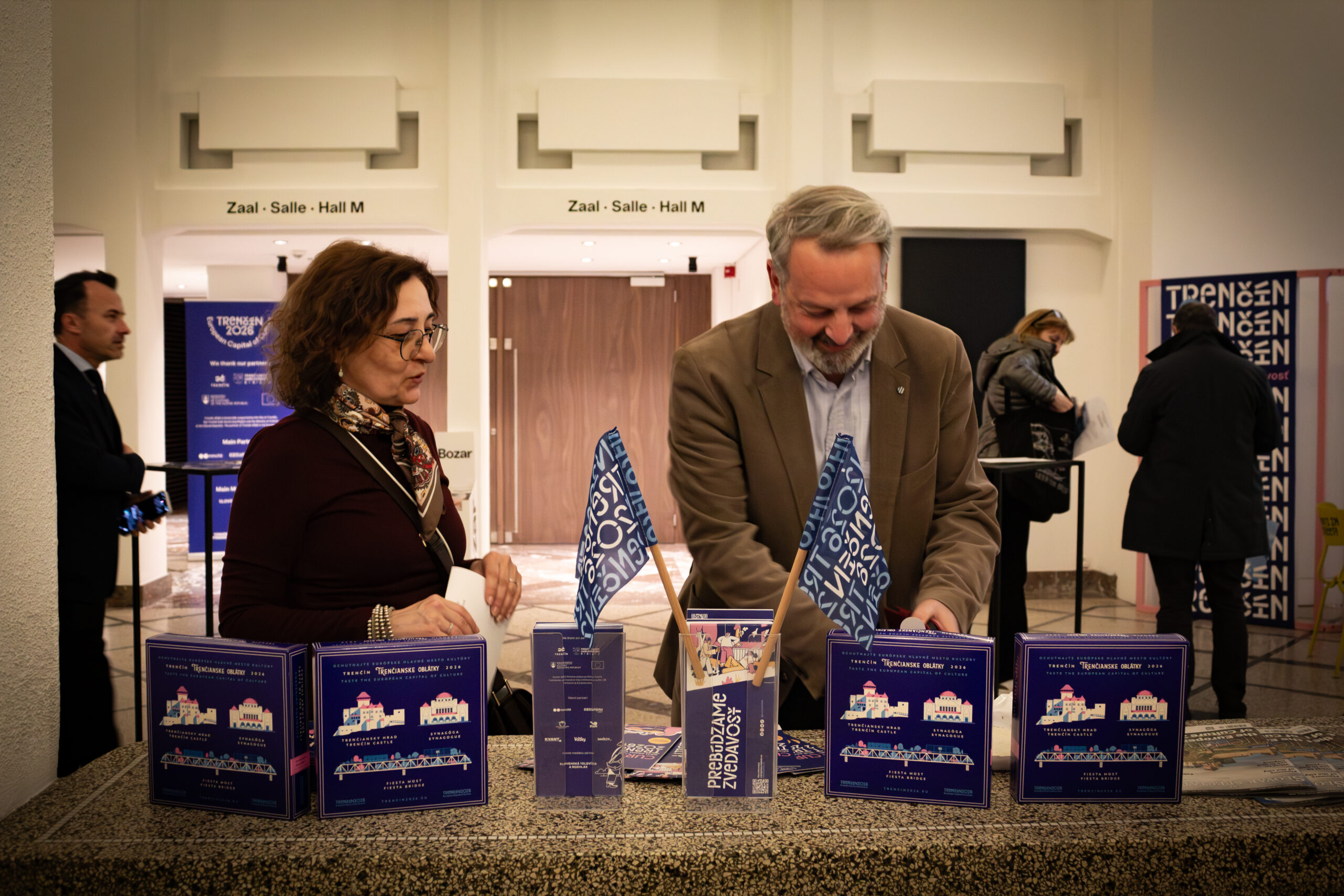
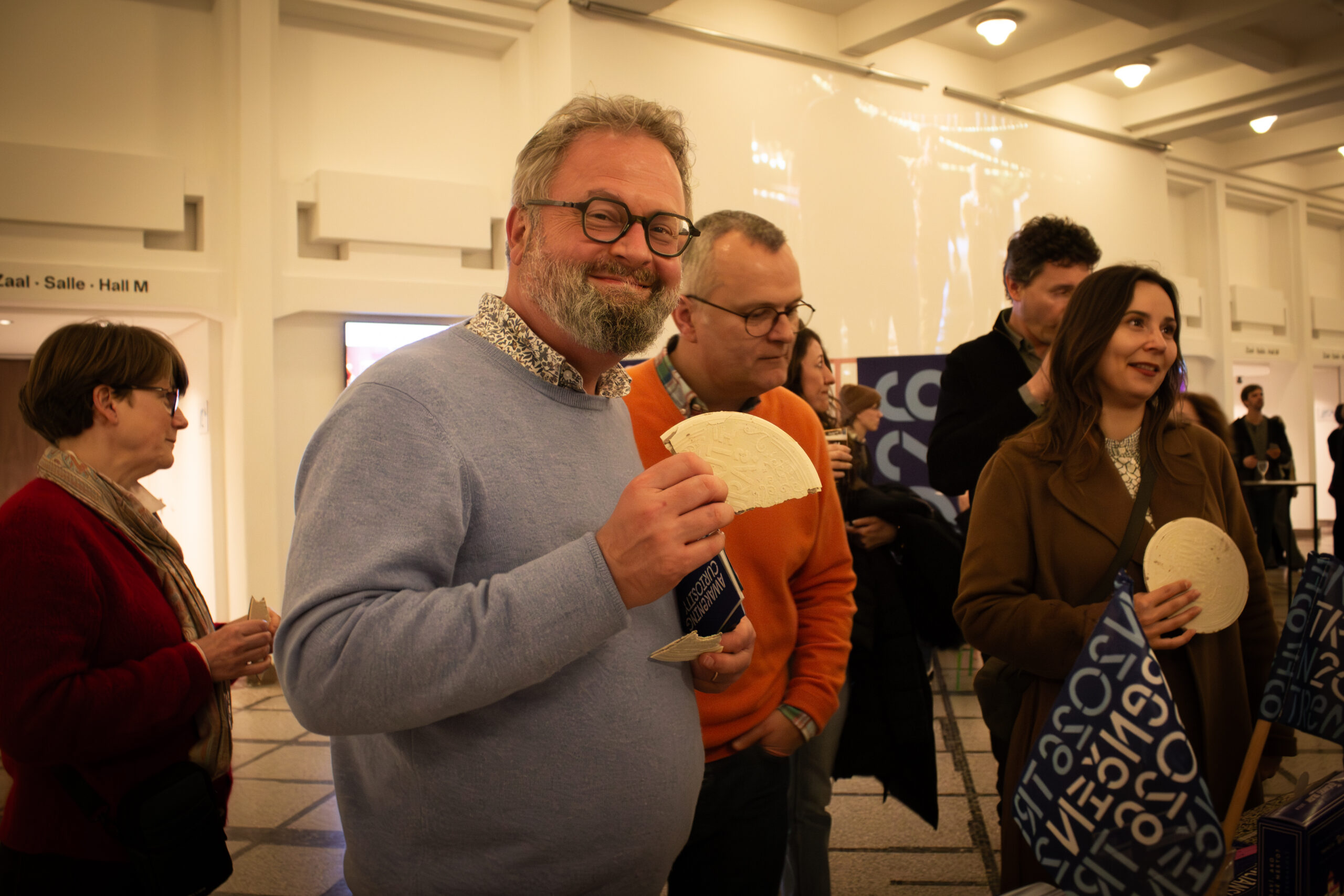
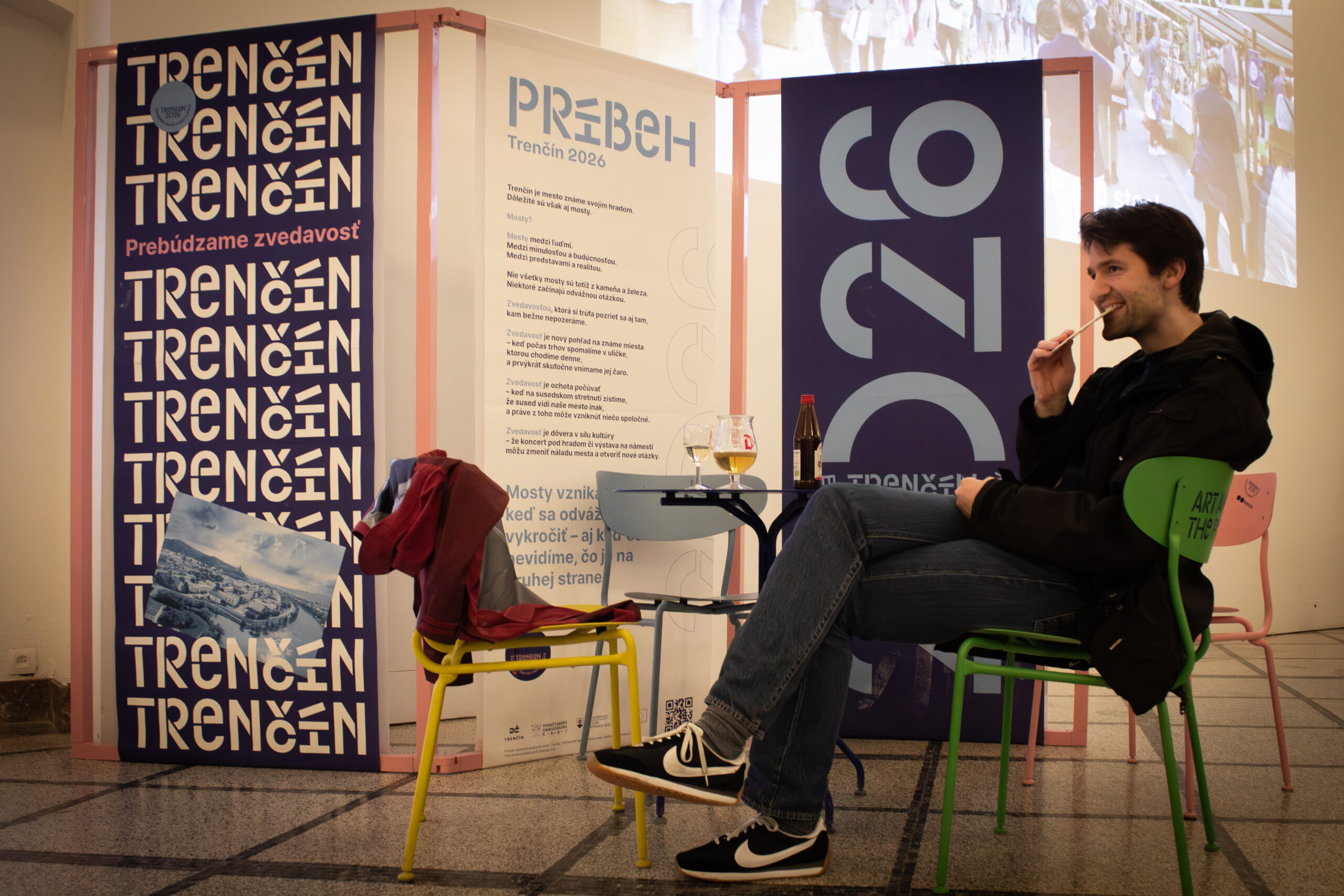
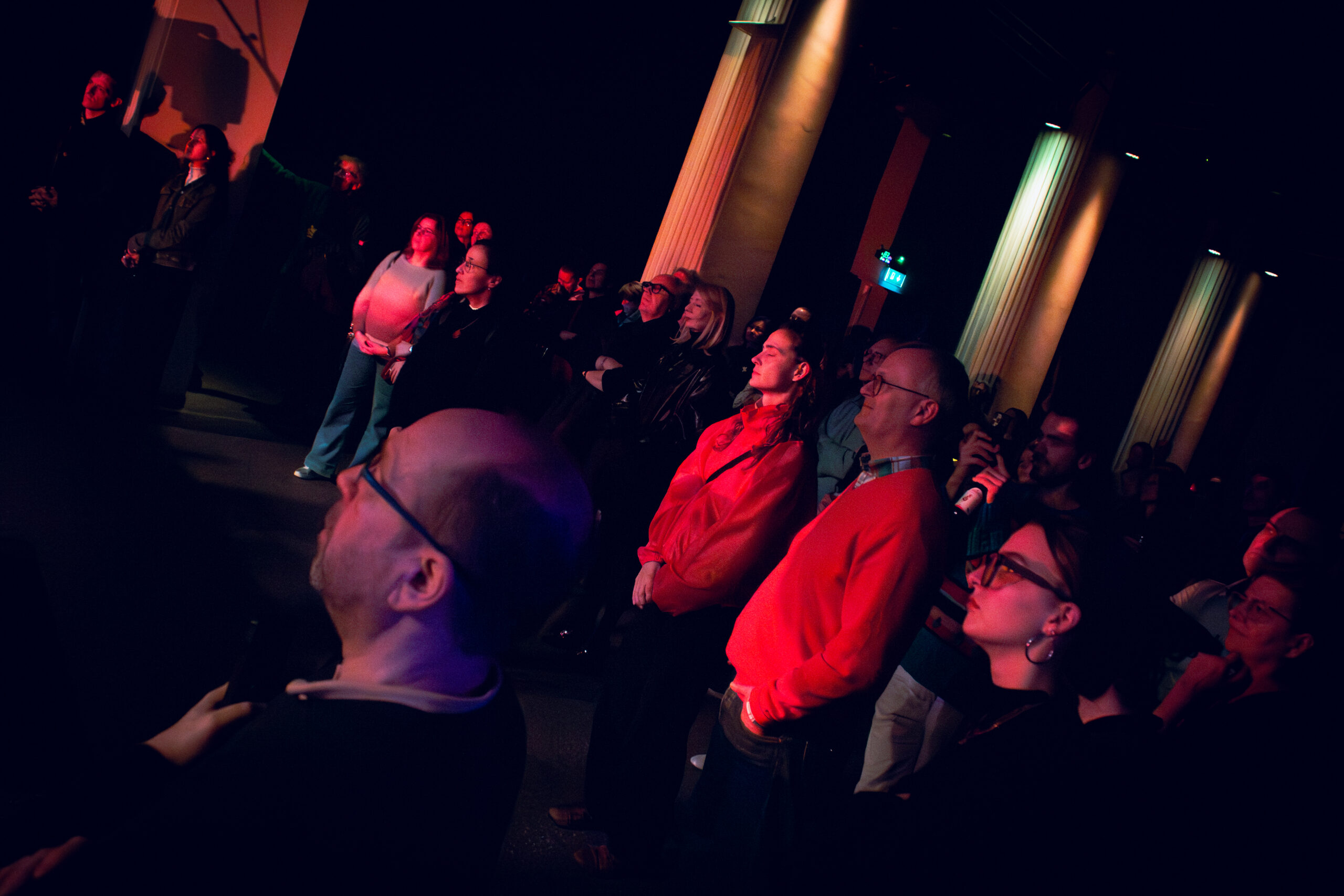
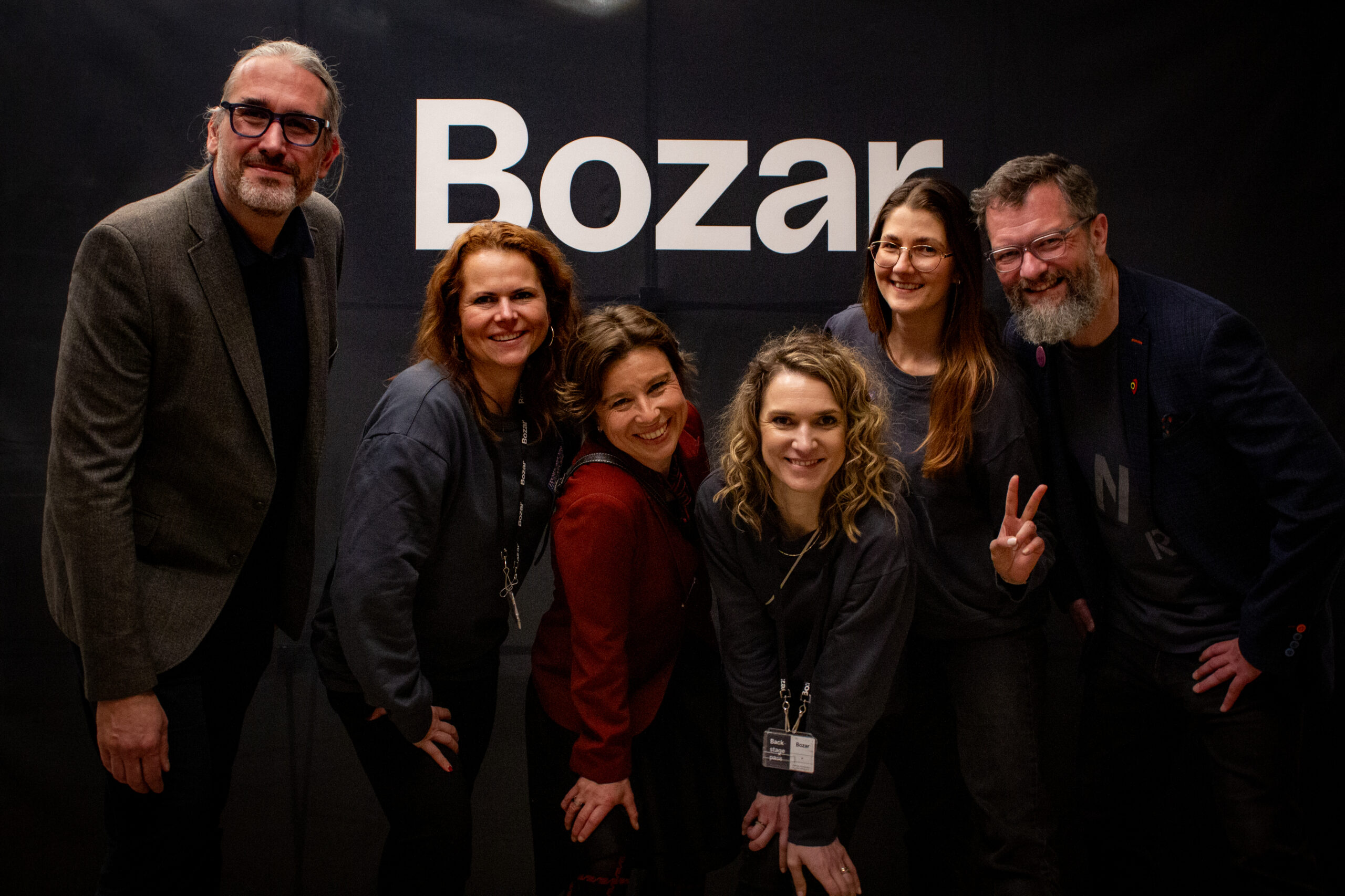
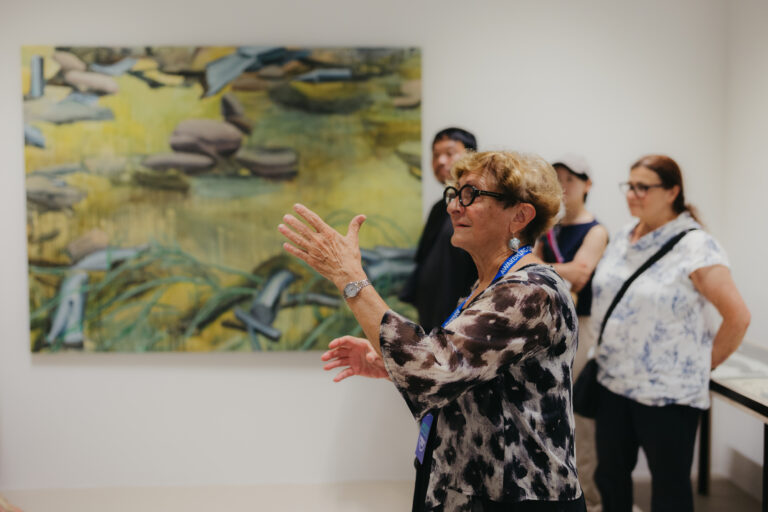
This presentation of Slovak culture was highly successful. Slovak artists performed in three different halls to great audience interest, with lively reactions to all concerts. During breaks, visitors could also view presentations about Trenčín – European Capital of Culture 2026, and talk with the team as well as the artists. The entire event quite literally brought life into the more than one-hundred-year-old BOZAR Palace of Fine Arts in Brussels, an architecturally exceptional venue that ranks among the most important cultural centres in Europe. Performing “at BOZAR” is considered prestigious, and the Slovak artists certainly stood out. They confirmed that art from our country forms a small but significant part of the European musical mosaic and contributes to its rich scene.
The event was created as an international collaboration as part of promoting the city of Trenčín as the European Capital of Culture 2026. More about the event was shared by its dramaturg Jarmila Vlčková and BOZAR music dramaturg Anton Vanderhasselt.
“The idea was born several years ago when I met Tony Van der Eecken, then dramaturg for world music at BOZAR in Brussels,” says Jarmila Vlčková, dramaturg of the event and artistic director of the World Music Festival Bratislava. “I invited him, and later also his successor Anton Vanderhasselt, to our festival in Bratislava, where we regularly present Slovak groups. Both were enthusiastic about the level of world music in Slovakia, so they decided to give space to Slovak music in BOZAR’s programme. Since I am also the dramaturg of world music concerts for Trenčín European Capital of Culture 2026, I found important support for this idea. The event Sounds like Slovakia was thus covered by the Trenčín 2026 team within its activities. It was an opportunity to present not only art in Slovakia, but also the city of Trenčín, the Trenčín region, and Slovak art.”
In a short interview, the full evening programme Sounds like Slovakia was also summarised by BOZAR music dramaturg Anton Vanderhasselt.
BOZAR is one of the most well-known cultural centres in Europe. What were your expectations as a dramaturg from this collaboration? How was the programme created?
AV: At BOZAR, we collaborate with European countries and beyond, but this was the first time we worked so closely with the Slovak world music scene. In the past, we had several good experiences and festivals with this culture (especially during BalkanTrafik), so expectations were high, especially after attending the World Music Festival Bratislava in summer 2024, where I saw the level and quality of the music scene. The programme was created based on many recommendations from the artistic director of this festival (Jarmila Vlčková) and in collaboration with BOZAR, which has know-how in organising one-day festivals in our venue for local and institutional audiences. It was great teamwork.
Does BOZAR often present world music from Central and Eastern Europe?
AV: We used to do more of these events in the past, now less. We used to have an annual festival (first BalkanTrafik and later SEE Festival), but we stopped organising it mainly because funding and budgeting were unclear, and BOZAR generally aims to have fewer festivals, so we were very pleased with this partnership and opportunity.
Sounds like Slovakia was a joint project of BOZAR, Trenčín European Capital of Culture 2026, and partly also the World Music Festival Bratislava. How would you describe the cooperation with partners?
AV: For us, it was a great collaboration in the sense that we had good advice regarding the artistic programme, a strong network of contacts through Trenčín European Capital of Culture 2026, and a strong impulse to organise this event. Each partner was able to add value to the collaboration, and the result was truly excellent. Having partners who contribute financially is always a plus, but here the collaboration went further, as BOZAR was also involved curatorially and production-wise.
The project Sounds like Slovakia featured top performers such as Pacora Trio, Obrázky zo Slovenska, Júlia Kozáková and others. How many people attended and how did the audience react?
AV: We were satisfied with the attendance. More than 300 visitors attended the event and the reactions were very positive. I heard a lot of Slovak around me, so I think we reached both the Slovak community in Brussels and our local Belgian audience.
How do you evaluate the concerts? What impressed you the most?
AV: I really liked the concerts, and the programme was very well balanced overall. My personal favourite was the fujara players’ performance – I think the fujara is amazing. Presenting this type of traditional instrument at such an event is important, and BOZAR becomes a place of discovery where people can experience lesser-known cultures in their authentic form. I was also very pleased by Júlia Kozáková’s concert – I believe she will become a big star, so having her on our stage at this stage of her career is a great honour, and I hope we will invite her again in the future.
Do you think this type of music should be part of BOZAR’s dramaturgy in the future? Do you see any benefits for BOZAR?
AV: Of course, this type of event should be part of BOZAR’s programme in the future. It is important to present different cultures and traditions. BOZAR is an interdisciplinary and multicultural art centre, and presenting music from around the world is part of its mission. We also want to reach many different communities and diasporas living in Brussels, so organising this type of event shows that BOZAR is a place for everyone and that every culture is welcome and celebrated.
Final question – would you like to collaborate again with Slovak musicians in the future?
AV: Yes, definitely. This collaboration went very smoothly, the artistic level and quality were very high, so I believe that another project will emerge from this event.
The event was also evaluated by Martin Mojžiš, Manager for European Dimension and International Relations from the Trenčín 2026 team:
“The successful concert in the BOZAR hall in Brussels proved that it is possible to prepare a high-quality concert of traditional Slovak music that appeals even to demanding international audiences. Trenčín 2026 brought references to its cultural roots presented in a modern way and through high-quality performers. It once again showed that Trenčín and its region are part of Europe. Our openness to dialogue with international audiences supports a positive perception of our city in Europe and in the world.”
Jana Ambrózová also shared her reflection on social media:
“On Friday we travelled to Brussels and represented Slovakia as part of Trenčín European Capital of Culture 2026. Virtuosic, deep, technically demanding, intelligent, expressive, humorous, beautifully arranged artistic performances… Since people recognised me from the introductory lecture, where I explained what they would see and hear and why it was interesting, they came to thank me. To thank me. They said they hadn’t experienced so much quality without compromise in a long time… Thank you! Congratulations! I am incredibly proud of everyone and of the artistic scene in Slovakia. I was proud the entire evening.”
Video: Obrázky zo Slovenska LIVE from the BOZAR Palace of Fine Arts in Brussels, 13 March 2026. Performers: Spectrum Quartet under the direction of J. Kružliak Jr., NogaBand, vocal group Ulijanky and soloist Simona Hulejová
At SOUNDS LIKE SLOVAKIA performed:
Karol Kočík and Ondrej Selecký are renowned fujara players, both among the top in Slovakia, representing traditional performance accompanied by singing tied to the region of Central Slovakia.
Pacora Trio, consisting of Stano Palúch, Marcel Comendant and Robo Ragan, are a Slovak staple who adapt Slovak folk songs and virtuously present them in the ethno-jazz genre. They have represented Slovakia at many festivals abroad, from South Korea and Israel to Western Europe. They were the first Slovak group to represent Slovakia at the prestigious WOMEX festival in 2015.
Obrázky zo Slovenska was initiated by Ján Kružliak Jr., leader of Spectrum Quartett. It is a joint project of this quartet, the folk group NogaBand and the vocal ensemble Ulijanky, with special guest singer Simona Hulejová. They present an unusual connection of classical and folk music, based on mutual inspiration. Diverse Slovak folk motifs found in works by composers Eugen Suchoň, Ilja Zeljenka, Leoš Janáček and Béla Bartók are combined with the original forms of specific folk songs that inspired these classical works.
Singer Júlia Kozáková and her project Manuša is a tribute to Roma music, performed with a stellar lineup of Roma musicians (Viliam Didiáš, Ján Rigó, Béla Botoš, Zsolt Várady and Géza Jonás). Júlia won the Rádiohlavy Award for Best Album in the world music category in 2022. The Manuša project brought her international success and performances at prestigious festivals across Europe. In 2023, she was a finalist of the Roma Spirit Award in the Culture category for her contribution to preserving Roma culture. Her second album Manuša 2 was ranked Best Album in Europe in January 2026 by World Music Charts Europe (WMCE) and is shortlisted for the Rádiohlavy Award for Best Album in the world music category for 2025.
Jana Ambrózová is a respected academic and educator who has long focused on research of traditional musical forms in Slovakia, especially documentation and support of Roma musical traditions. She has released several CDs in close collaboration with Roma string ensembles. As a violinist and vocal pedagogue, she specialises in traditional playing styles and polyphonic singing.
BOZAR is a prestigious royal cultural palace in Brussels, hosting concerts, exhibitions, and various programmes for schools, and has featured world-renowned artists of classical, jazz and world music. It is also architecturally unique, built in Art Deco style by the world-famous architect Victor Horta in 1919. It is now over 100 years old and remains timeless in terms of equipment and functionality. Jazz pianist Keith Jarrett, known for his high standards for concert halls, described the main hall of BOZAR as a place “with the best sound in the world.” 💙