What does music mean in times of uncertainty, crises and social upheaval? Is it merely an escape from reality, or can it create a space for resistance, solidarity and shared experience?
An evening on the border between discussion, film, concert and performance will open questions about the power of the music scene today – from DIY communities and club culture to engaged art. Together with our guests, we will look for answers to whether music can still function as both a refuge and a tool for change.
The event will be officially opened by the Portuguese Ambassador, H.E. Maria João Lopes Cardoso. The programme will feature a discussion with figures from the music and arts scene, a screening of a film about the Carnation Revolution, concerts by Berlin Manson and the Portuguese project Bateu Matou, as well as an open participatory samizdat.
We invite you to another event from the Sounds of Democracy series, organised in collaboration with the Pohoda Festival.
PROGRAMME
Discussion: Music = a refuge in times of chaos?
Is the music scene still capable of creating a counterbalance to power, or has it become just another form of escape? And where do new forms of collective resistance, care and freedom emerge today?
From underground concerts and apartment gatherings during the period of normalisation, through the post-revolution club explosion, to today’s DIY scenes, free parties and festival communities – music has repeatedly functioned as an escape, a form of resistance and a way to maintain dignity during times of political and social turmoil.
In the discussion Music = a refuge in times of chaos?, we will focus on why in times of uncertainty, wars, crises and polarisation we once again turn to the shared experience of music and bodies in motion. What does a rave, concert or club mean today as a space of solidarity?
Moderated by: Michal Hvorecký
Guests:
Adam Dragun – singer and lyricist of the band Berlin Manson (winners of the Radio_Head Awards for Album and Debut of the Year 2024). He also works as a theatre director and performer (graduate of DAMU in Prague), and in his work he systematically deconstructs subcultural identities and political themes.
Ondrej Slivka – founder and owner of Vinyl-LAB in Trenčín, the first modern vinyl pressing plant in Slovakia. As an expert in analog culture and the technical background of the music industry, he builds infrastructure for both independent local and international scenes.
Jarmila Vlčková – director of the World Music Festival Bratislava and founder of the export platform WOMUSK. She has long been involved in music management and representing the Slovak scene at international forums (e.g. WOMEX), with a focus on community building and international collaboration.
Film screening and discussion: Capitães de Abril / April Captains (2000, feature film, Portugal)
Trenčín 2026 x Évora 2027
Can a revolution happen without gunshots?
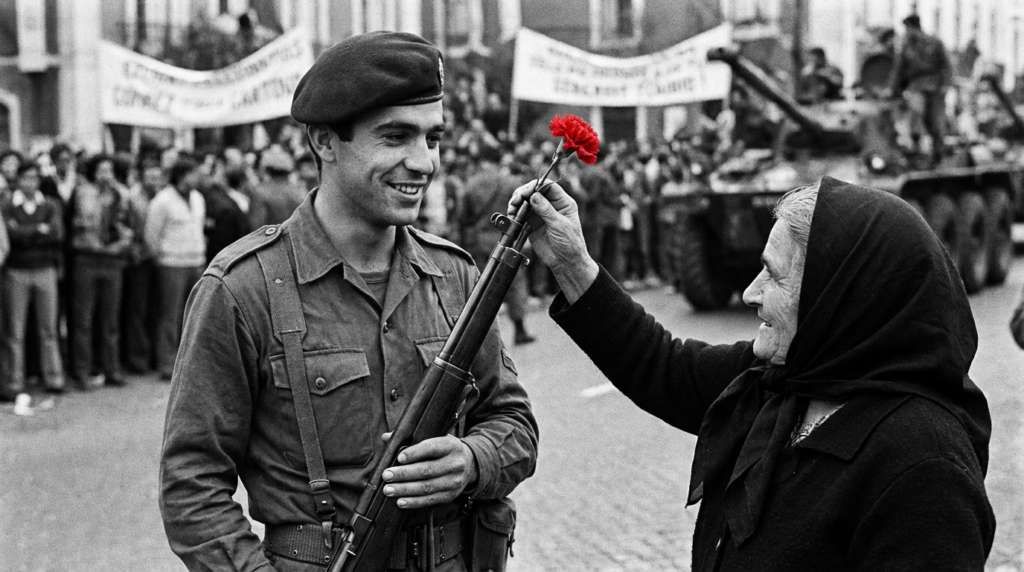
In April 1974, Portugal entered history through the peaceful Carnation Revolution, which ended the authoritarian regime of dictator António Salazar after almost fifty years. A group of young officers, supported by the public, opened the path for the country towards freedom, democracy and the end of colonial wars.
The film Capitães de Abril offers a dramatic yet sensitive look at the events of those days. It follows the key moments of the uprising as well as the personal dilemmas of people who decided to stand up to power without using violence.
Director Maria de Medeiros created a powerful story about courage, solidarity and the strength of civic resistance. The film reminds us that even a peaceful revolution can fundamentally change history — and that freedom emerges where people decide to act together.
Capitães de Abril – trailer:
Workshop: Samizdata ‘26 #02
Duration: throughout the entire event
Samizdat refers to unofficial, secretly distributed texts – books, magazines, leaflets or other written materials produced outside state censorship, especially during the communist period in countries of the Eastern Bloc. Authors of samizdat wrote freely, outside official structures, often under pseudonyms and with the awareness that they were taking a risk.
The Samizdata ‘26 project builds on this tradition – and at the same time turns it inside out. At a time when the “freest” expressions often spread anonymously and digitally, Samizdata ‘26 invites people to speak openly and under their own names.
In the foyer, a living space of sharing will emerge: an open recording booth where every visitor can record their personal testimony, thought, poem, memory or message for the future.
Each voice becomes part of a collective samizdat that will gradually be transcribed into text form and, after the event, published as a digital edition of Samizdata ‘26 vol. 2 – freely distributable and open to further additions.
CONCERTS
Berlin Manson (SK)
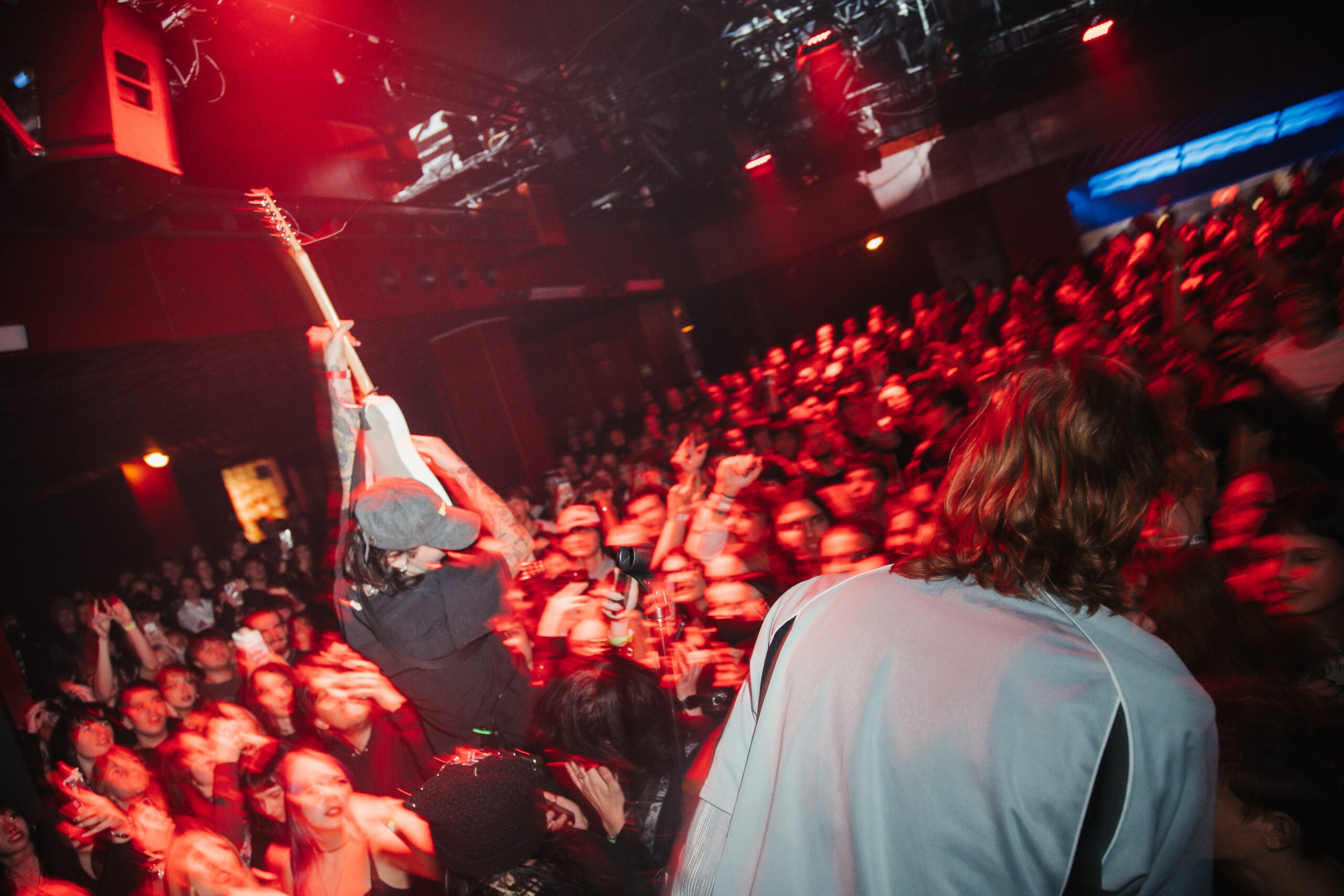
Berlin Manson is a Slovak post-punk trio. Their uncompromising lyrics and live performances have made them one of the most distinctive bands in Slovakia and the Czech Republic.
In just the past two years, they have released three albums — Poor But Sexy, Polámeme svoje ID, and Alternative für Disneyland. Their relentless creativity blends punk urgency with sharp political commentary and irony. Their music emerges from a post-industrial reality, combining protest with party energy.
They have recently performed at festivals such as Sziget (HU), OFF (PL), ESNS (NL), Pohoda, Grape, and many others. They’ve also toured Poland and performed in New York.
The magazine Kapitál wrote about them:
“Berlin Manson is proof of complete freedom in genre, production, and attitude, without any attempt to conform to a predefined image or fit in.
Registration is required for the concert (available at the bottom of the page).
Bateu Matou (PT)
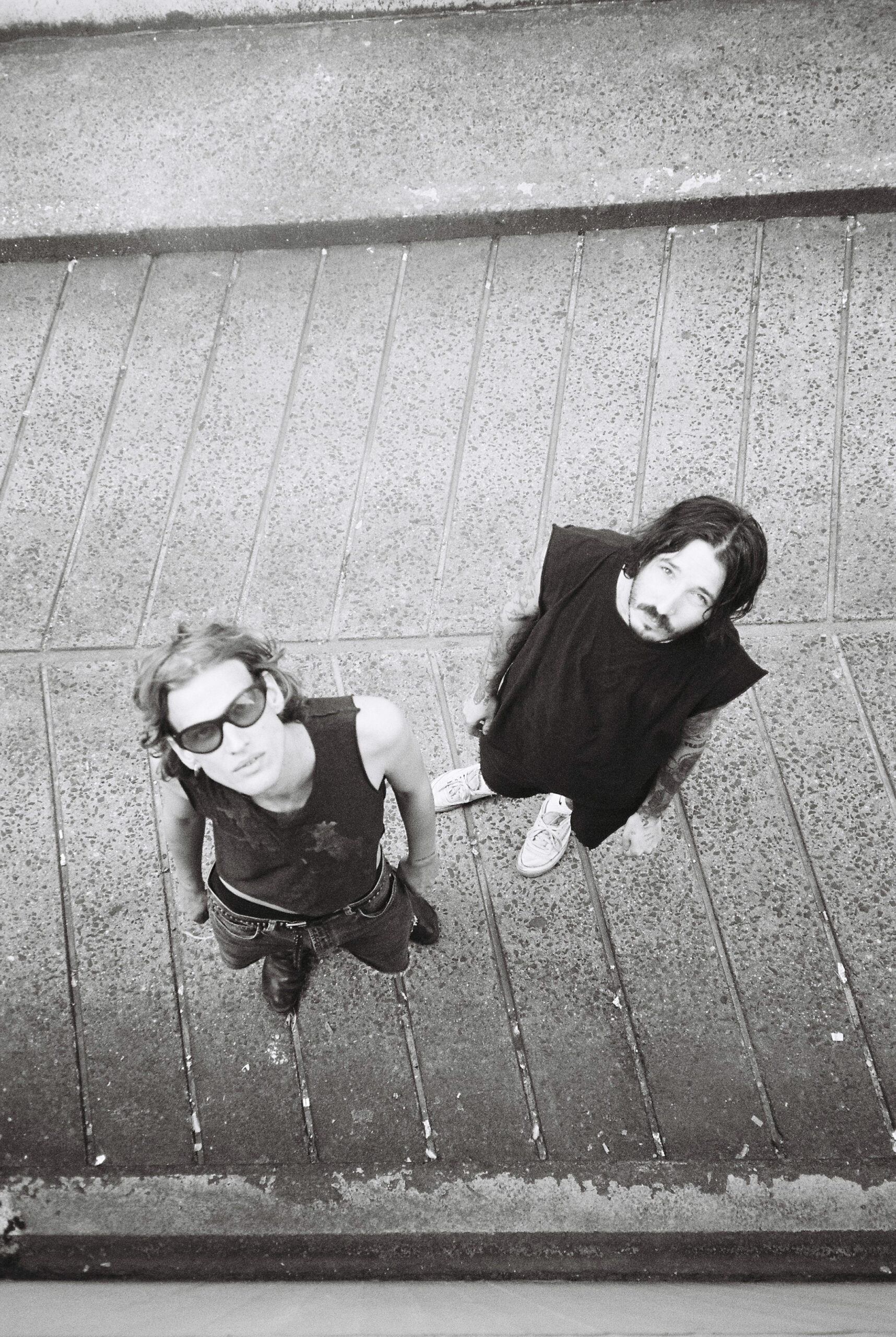
Bateu Matou is an energetic formation from Portugal created as a joint project of three experienced musicians – Ivo Costa (Sara Tavares), Quim Albergaria (PAUS) and DJ Riot (ex-Buraka Som Sistema).
Their music is a unique fusion of dynamic percussion, electronics and contemporary dance music rhythms, drawing inspiration from African, Brazilian and local Lisbon influences.
Bateu Matou does not simply play rhythms – their sound is built on the connection between drums, beats and computers, creating pulsating music somewhere between a DJ set and a live band. They collaborate with various vocalists and producers, giving their tracks a wide emotional and rhythmic range.
Timeline
17:00 – 17:45
Discussion: Music = a refuge in times of chaos?
Small Hall
18:00 – 19:00
Concert: Berlin Manson
Main Hall
19:00 – 19:30
Presentation of Evora
Club
19:30 – 20:30
Concert: Bateu Matou (PT)
Main Hall
20:45 – 22:48
Film screening: Capitães de Abril (2000)
Small Hall
17:00 – 22:00
Workshop: Samizdata ‘26 #02
Foyer
Entry to the event is free; registration is required only for the Berlin Manson concert.