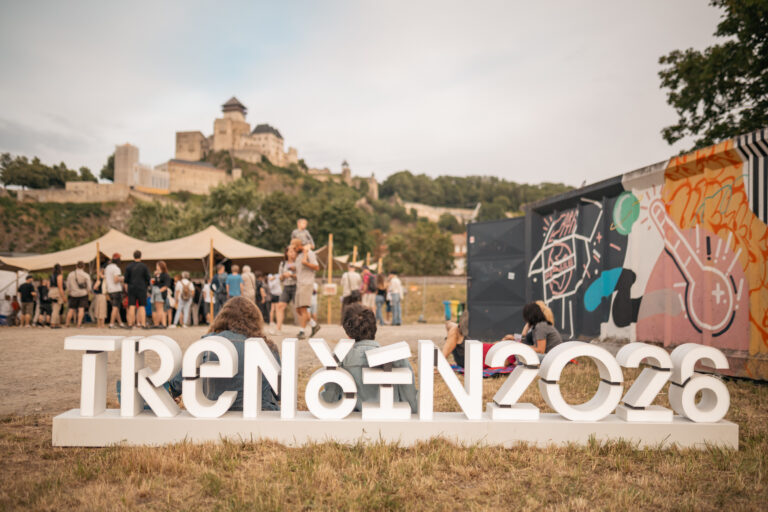

The Sounds of Democracy project, one of the flagship projects of the Trenčín 2026 – European Capital of Culture programme, will present a series of five themed events commemorating key moments in European history. These multidisciplinary mini-festivals will combine discussions, concerts and film screenings, focusing not only on historical memory but also on the current challenges facing democracy. The first event, dedicated to the Carnation Revolution, will take place on 25 April in Trenčín.
The project connects history, art and the present
Sounds of Democracy is a series of five events which, throughout 2026, will gradually commemorate significant milestones in European democratic history, from the Carnation Revolution, through Europe Day, to an event dedicated to the Velvet Revolution in Slovakia.
Each of these dates will form the basis of a separate ‘mini-festival’ that will bring together various art forms: music, film, performance and public discussion. The programme is based on the belief that the past is not a closed chapter, but a living source of inspiration for the present. The project does not merely aim to commemorate historical events, but above all to reflect on current social challenges – from rising extremism and the polarisation of society to the pressure of populism and changing forms of civic engagement.
Art as a tool for understanding and change
The programme for each evening will feature discussions with artists, experts and activists from across Europe, screenings of inspiring films, and concerts by contemporary music projects. Together, they will seek answers to the question of what role culture and art play today in democratic processes and in times of crisis.
“The Sounds of Democracy are not merely a reminder of historical moments. Above all, they are an invitation to dialogue on how to live democracy in everyday life, in culture and in the public sphere. We want to show that art can not only reflect reality, but also create space for encounters, understanding and the search for common solutions,” says Stanislav Krajči, director of the Trenčín 2026 project.
The Pohoda festival, which has long been associated with the values of freedom, openness and civic engagement, is also collaborating on the project.
“We call Pohoda a celebration of artistic freedom, and we truly regard art as the freest expression of the human inner self towards the outside world. It can unite us without words, and seek common ground between seemingly irreconcilable positions. It is no coincidence that artists and cultural workers stood not only on the barricades, but often at the forefront of the greatest democratic struggles in modern history. Culture and art were not mere backdrops in these struggles, but their driving force. We therefore regard Sounds of Democracy as a fundamental project for Trenčín 2026,” says Marián Tesák, Executive Director of the Pohoda Festival.
The series will kick off with a commemoration of the Carnation Revolution
The first event in the series will take place on 25 April 2026 at the Hviezda Cultural and Creative Centre in Trenčín and will commemorate the Carnation Revolution in Portugal. The evening will combine a discussion, a film screening and concerts, and will explore the role music can play in times of social uncertainty.
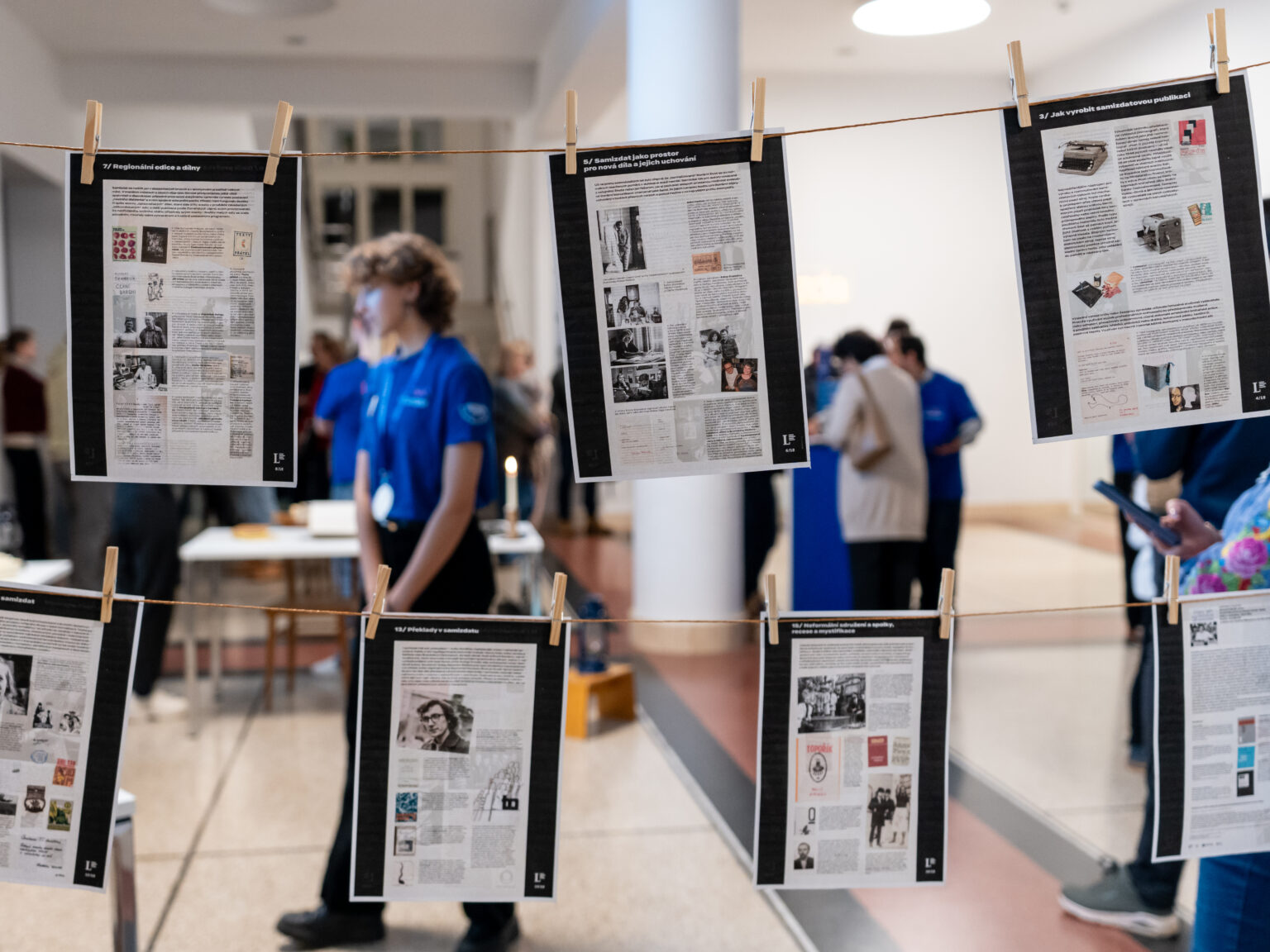
The programme will feature a discussion with figures from the music and arts scene, a screening of the film Capitães de Abril about the non-violent fall of an authoritarian regime, and concerts by the Slovak band Berlin Manson and the Portuguese project Bateu Matou. The evening will also include the participatory project Samizdata ‘26, which will involve visitors in the creation of a collective “archive of voices” of the present. More information can be found here: Sounds of Democracy: The Carnation Revolution
Further stops: Europe, solidarity and November 1989
The April event will be followed by further themed evenings:
- Sounds of Democracy: Europe Day, focusing on the theme of democracy (9 May)
- Sounds of Democracy: Solidarity, reflecting on the power of civil movements (4 June)
- Sounds of Democracy: Unity, exploring the themes of identity and cooperation in Europe (3 October)
- Sounds of Democracy: Velvet, presenting democracy as an ongoing process (17 November)
Each event will offer its own programme, but all are united by an emphasis on active audience participation and the search for parallels between the past and the present. The Sounds of Democracy project is part of the Trenčín 2026 – European Capital of Culture programme, which aims to strengthen openness, creativity and civic participation through culture.
The project is financially supported by the City of Trenčín, the Trenčín Self-Governing Region and the Ministry of Culture of the Slovak Republic. The European Union is a partner of the project.