

We met on a tram. January 2025. We were part of a group attending the opening ceremony of the European Capital of Culture Chemnitz 2025. We started talking — first in English, later in French. Boris Vedel is French, the director of the “Printemps de Bourges” festival. Before we got off the tram, we had already exchanged information, ideas, and contacts.
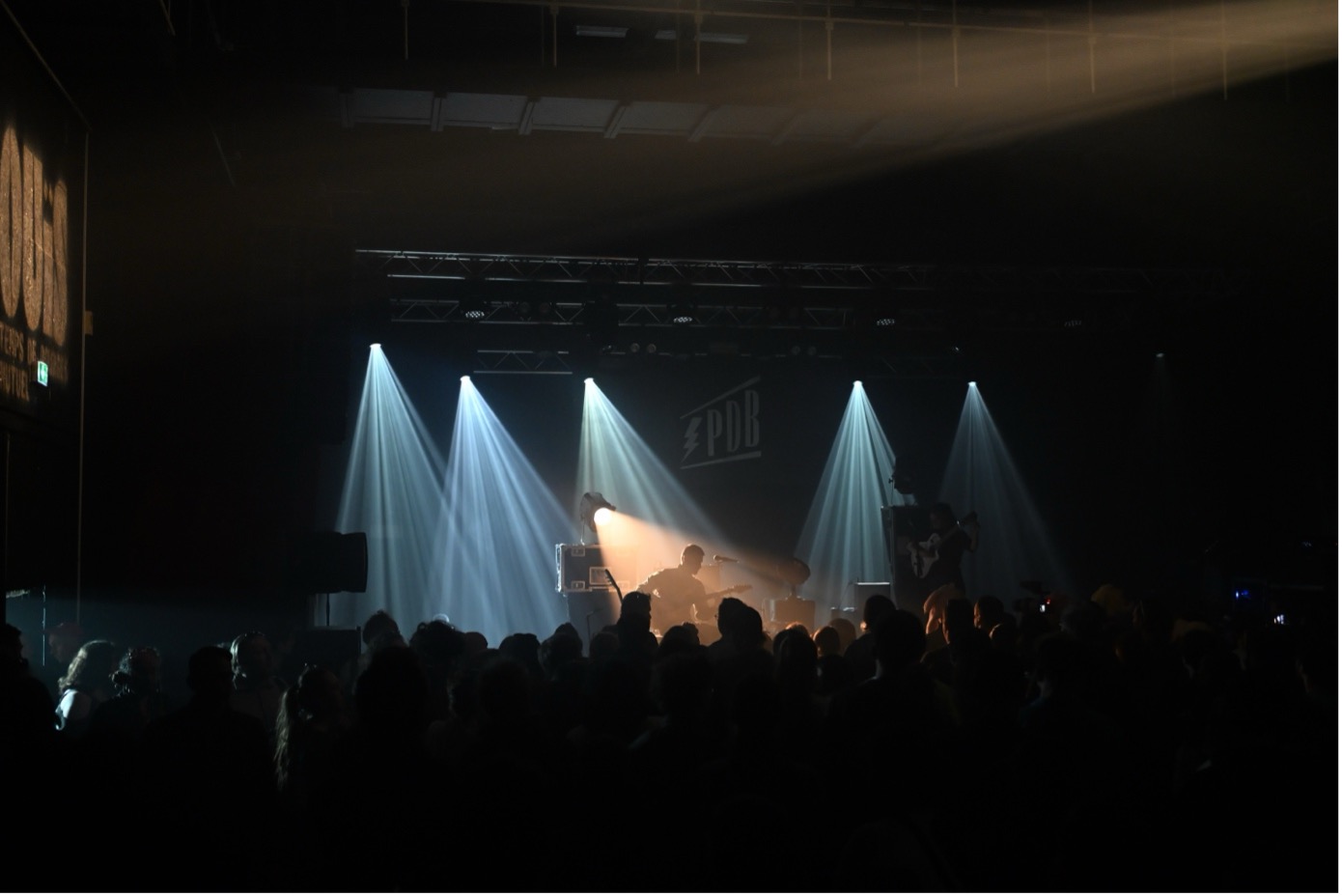
Bourges will become the European Capital of Culture in 2028. It is similar to Trenčín in its size, its history of military industry, and its music festivals. What Pohoda is to Trenčín, Printemps de Bourges is to Bourges. This festival is the first in a series of festivals in France and focuses mainly on discovering new talent. Since its founding in 1977, many musicians who later became major French stars have performed on its stages. Discovering new talent remains part of its DNA to this day.
The result of our meeting with Boris was a collaboration between the festival and a Trenčín 2026 project called Garáž (Garage). Garáž is a space where we invite emerging music groups through an open call to submit their demos. We assemble a jury to select the best ones and invite them to a two-day showcase festival in Trenčín — Garáž. There, they can often earn their first fee, present themselves, and meet professionals from the music industry.
Boris agreed and became part of the selection committee in 2025. We deepened the French-Slovak collaboration, and the French band CAOS.808 performed at Garáž 2025. Their appearance was made possible thanks to the support of our partner Bourges 2028 and the French Institute in Bratislava. A similar collaboration also brought the French electronic duo NSLN to the Opening Weekend of Trenčín 2026.
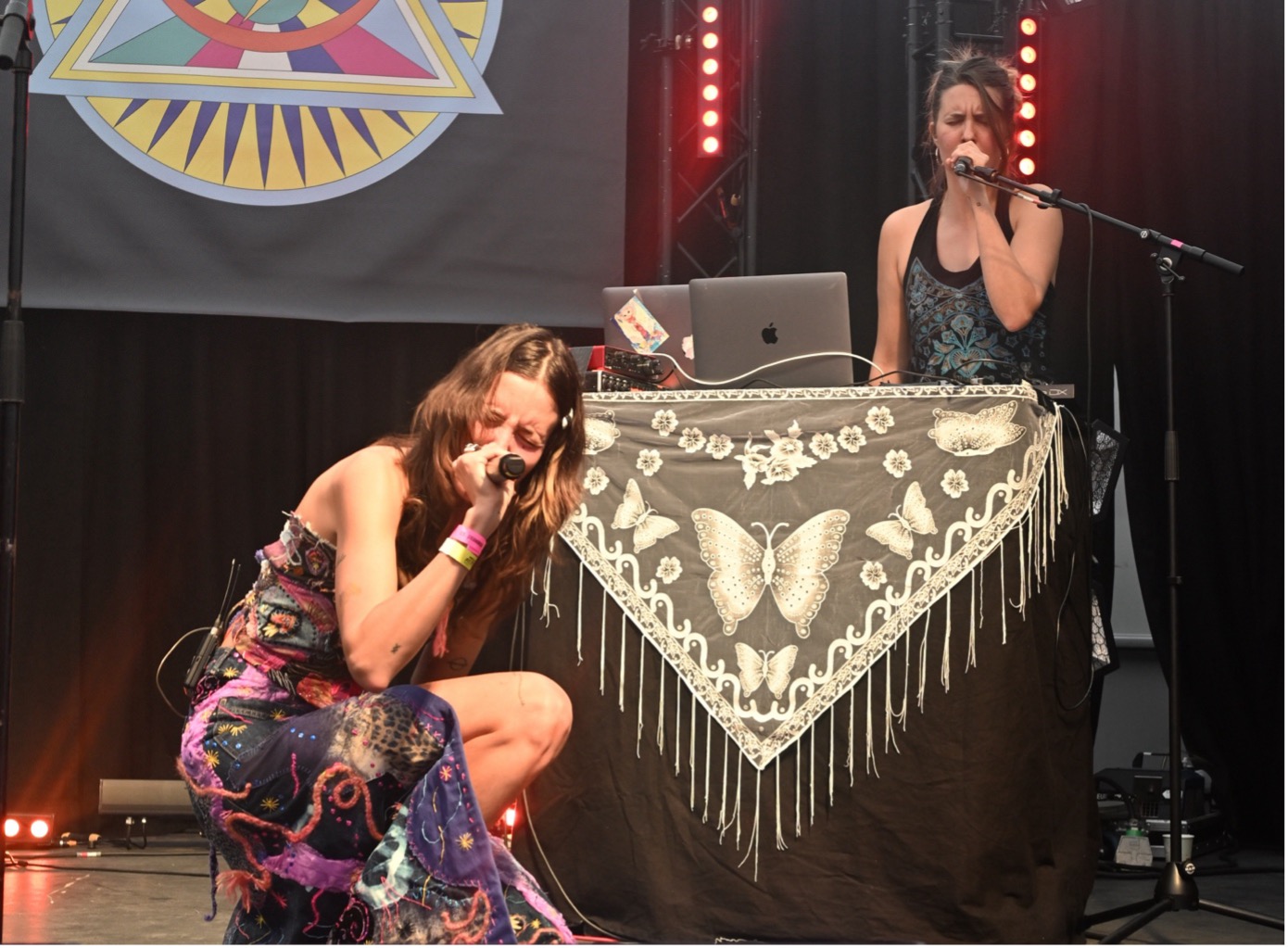
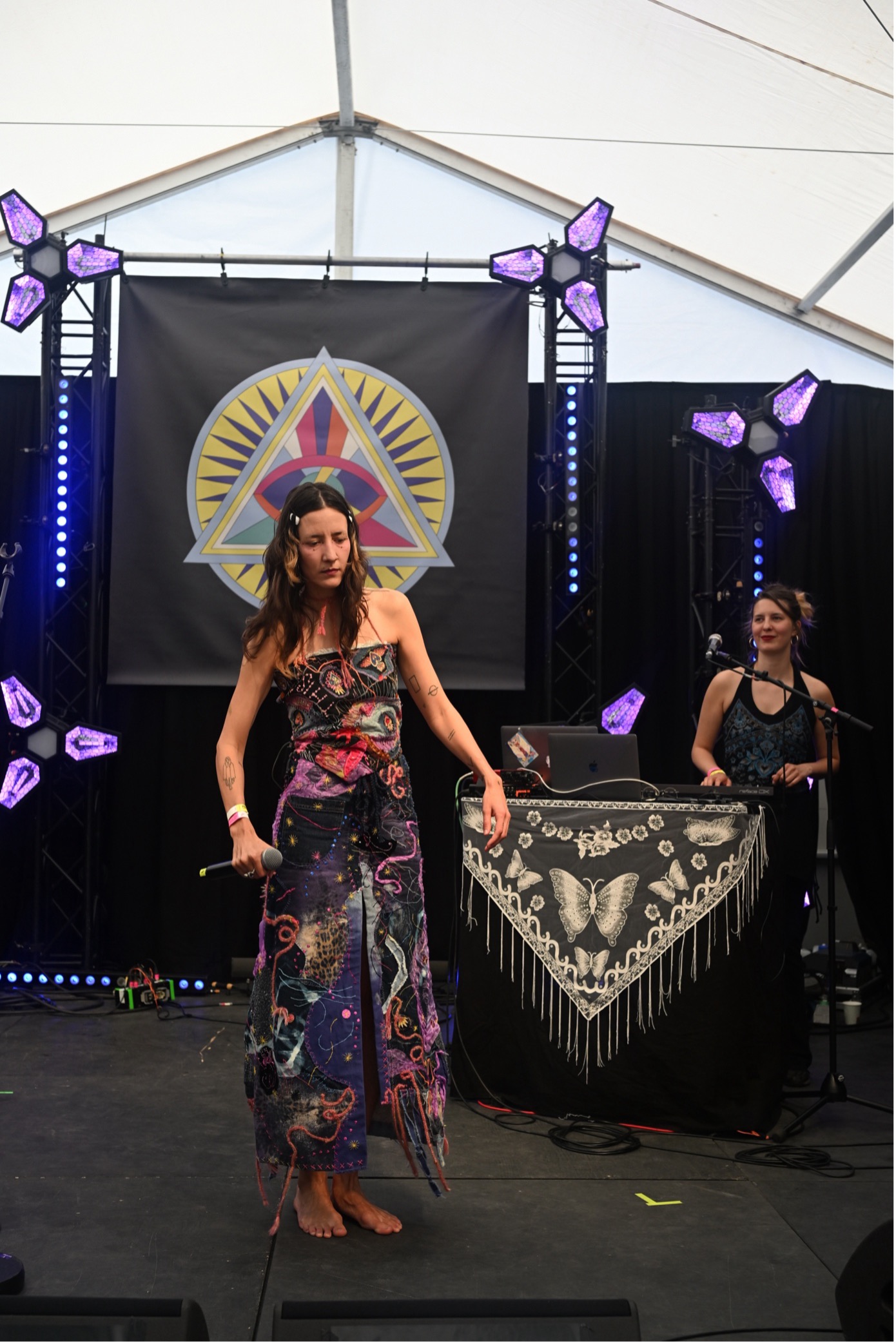
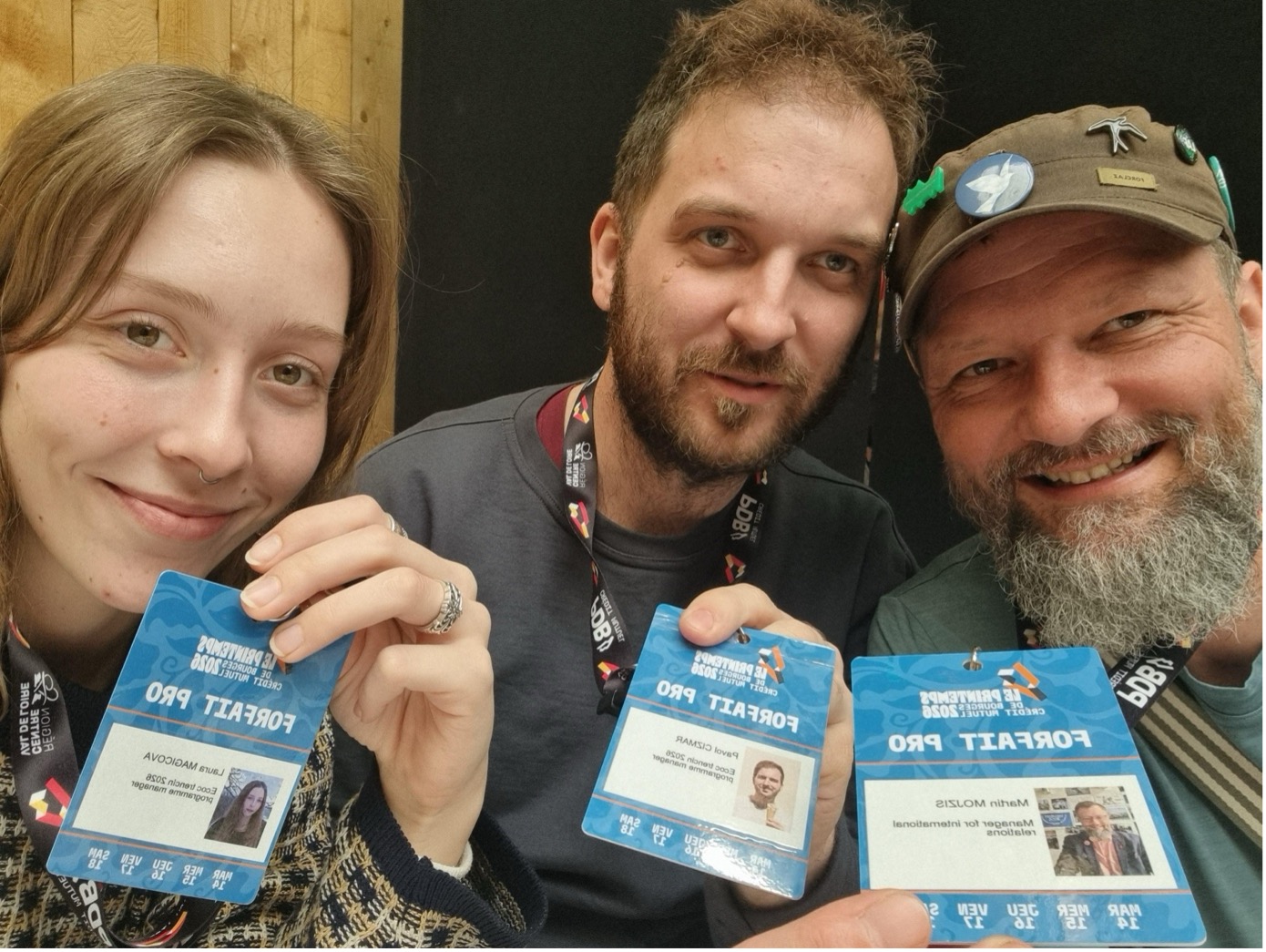
As I write these lines, I am at the Printemps de Bourges 2026 festival with Palo and Laura, who are responsible for Garáž 2026. In a moment, SJU will perform here — a duo made up of singer and designer SJU (Zuzka) Smatanová, who lives in Prague, and Anna Hokešová. SJU participated in Garáž in 2024, and Printemps de Bourges selected them, based on our recommendation, for a slot dedicated to collaboration with Trenčín 2026. This partnership is developing within Bourges 2028’s “Next Stage Europe” initiative, whose goal is to bring a European dimension to what has traditionally been a purely French festival — by giving space to international artists, inviting music professionals from abroad, and providing more English translations to make the festival more accessible to foreigners.
The concert is over now. SJU truly lit up the stage, and when they finally played “Čokoláda,” we could all experience that music, much like chocolate, is enjoyed by everyone regardless of their mother tongue. “It was one of the best concerts,” a middle-aged woman told me in fluent English. I had met her the day before at a reception organized by Bourges 2028. Her name is Corrine Sadki, and she is the director responsible for international relations at the Centre National de la Musique. “…one of the two best I’ve heard here so far,” she added. Her words were encouraging… they meant she would look SJU up after the concert… and perhaps they might get another opportunity to perform in France.
It is a pity that in Slovakia we have an agency supporting the export of Slovak industry, yet we do not support the export of Slovak artists… even though this, too, is an industry — a creative one.
That is why I am glad that within the Trenčín 2026 project we are developing international collaborations and contributing to the internationalization of Slovak artists. It is important for them and, ultimately, for all of us.
This year, 250,000 people attended the festival in Bourges.
Martin Mojžiš