“Heritage value is the sum of significant historical, social, landscape, urban, architectural, scientific, technical, artistic, or craft values for which objects may become subject to individual or territorial protection.”
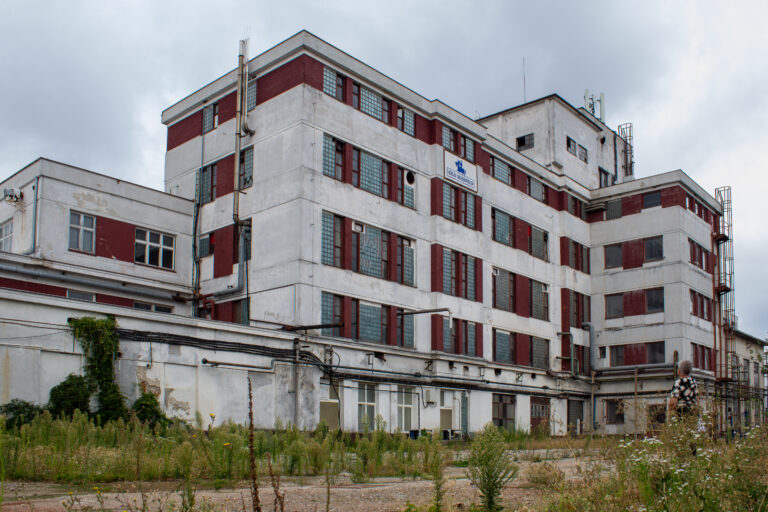
This is how the second point of the second paragraph of the Act on the Protection of the Heritage Fund defines heritage value. However, the fact that an architectural work is protected as a heritage site does not necessarily mean that its condition reflects its social value. What does it actually mean in practice for a building to be listed in the register of national cultural monuments? In reality, we have long observed the bypassing or omission of modern architecture from heritage protection discourse, with attention focused primarily on older historical periods. Not only is modern architecture not given sufficient attention, but we also allow it to disappear before our eyes.
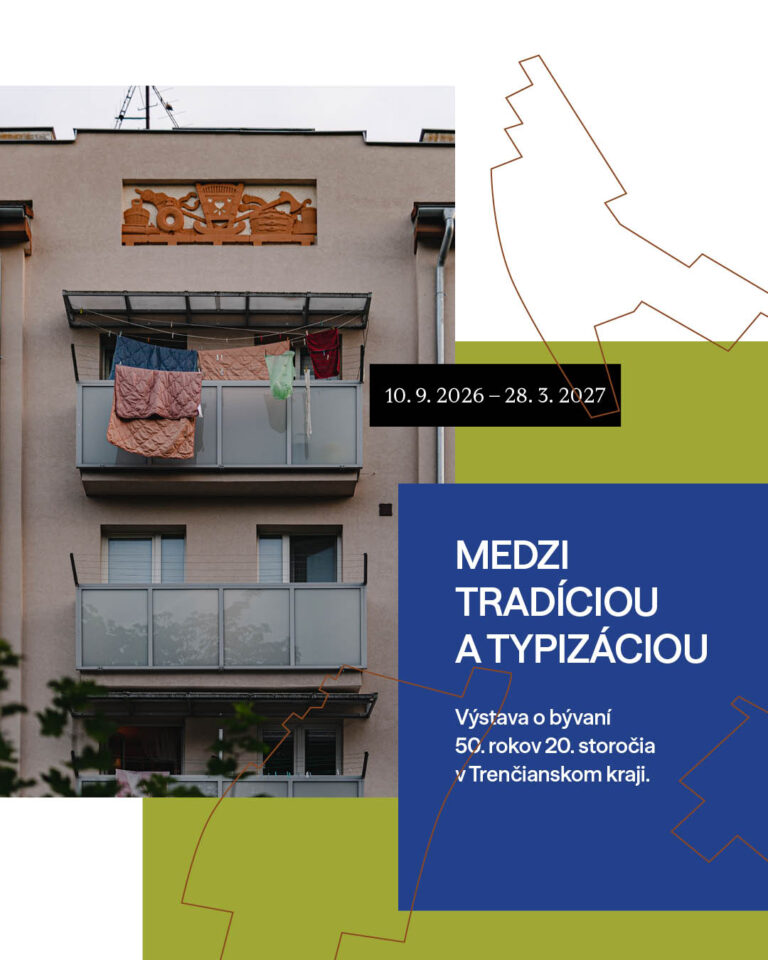
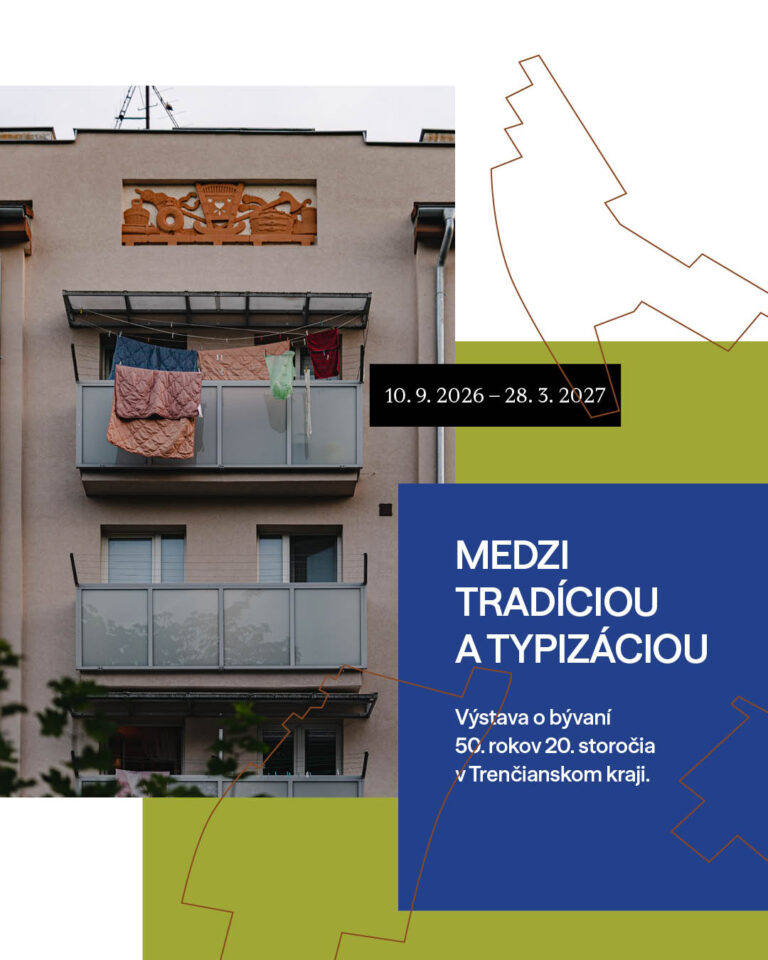
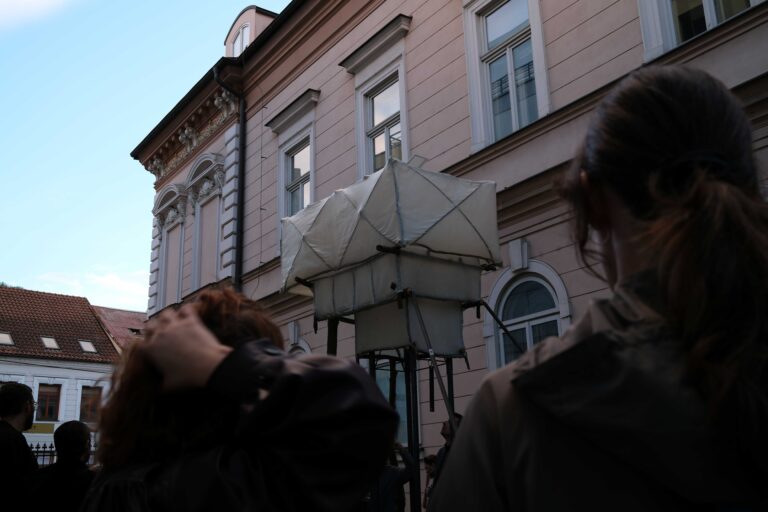
The exhibition presents an upcoming first publication produced under the umbrella of the Architecture Centre in Trenčín. The publication offers a broad perspective on the protection of 20th-century architectural heritage. It raises questions concerning the functioning of institutional protection, as well as its application, historical background, and possible future challenges. The authors and author teams address a wide range of issues through a diverse selection of examples located across almost the entire Trenčín Region.
The opening text by author Nikola Beim explores the historical foundations of heritage protection in Slovakia and explains parallels between the period from its beginnings up to the 1990s. The author duo Martin Šolc and Petr Svoboda examine differences between Czech and Slovak approaches to protecting interwar architecture through several specific examples. The following text by Viera Molnárová analyses the concept of brutalism and demonstrates its forms through two different buildings in Trenčín. In her study, Karolína Králiková focuses on the heritage value of department stores, presenting examples not only from the Trenčín Region.
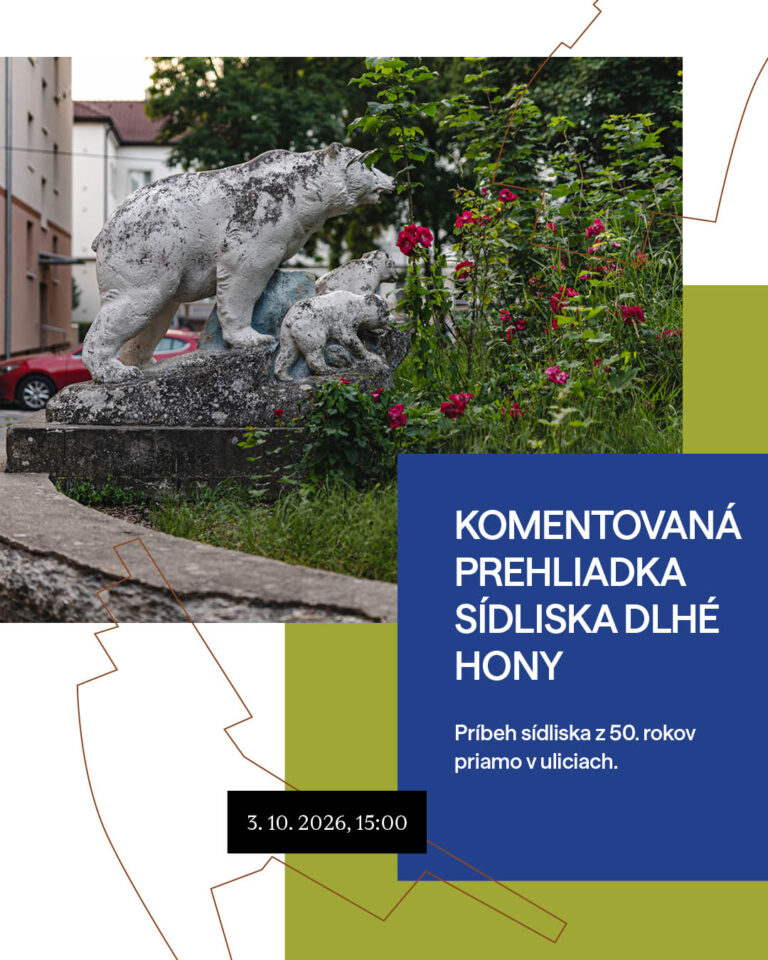
The protection of the significant urban complex of Baťovany is represented by a text from Katarína Janíčková, who compares it with other European satellite towns of the Baťa company. The concept of a “local landmark” appears in several contributions, but it is explored in greater detail by Marek Turošík through the example of the town of Považská Bystrica. Rastislav Popelka examines heritage protection practice through the example of the Píly housing estate in Prievidza. The largest housing estate in Trenčín, Juh, is discussed by Denis Eke, who focuses particularly on the value of post-war housing estates. Lucia Pastierová further analyses the youngest national cultural monument in the Trenčín Region — the Children’s Town complex in Trenčín from 1974.
The publication concludes with a highly detailed analysis of the protection of modern architecture in the Trenčín Region by the author trio Henrieta Moravčíková, Peter Szalay, and Katarína Haberlandová.
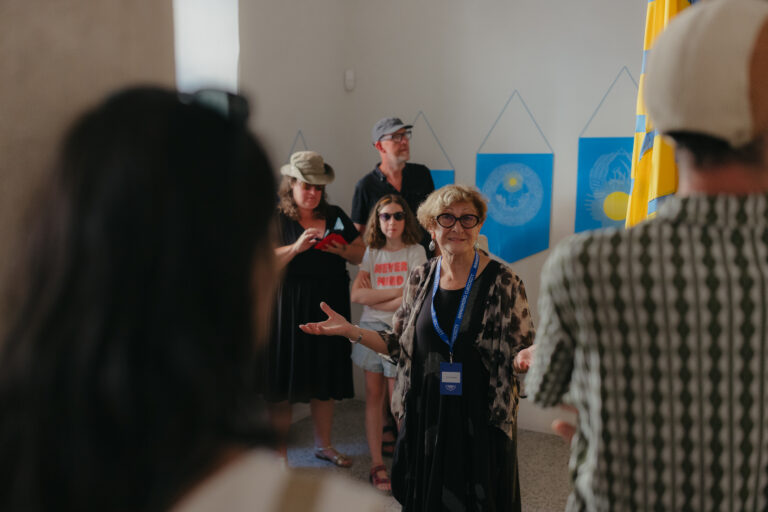
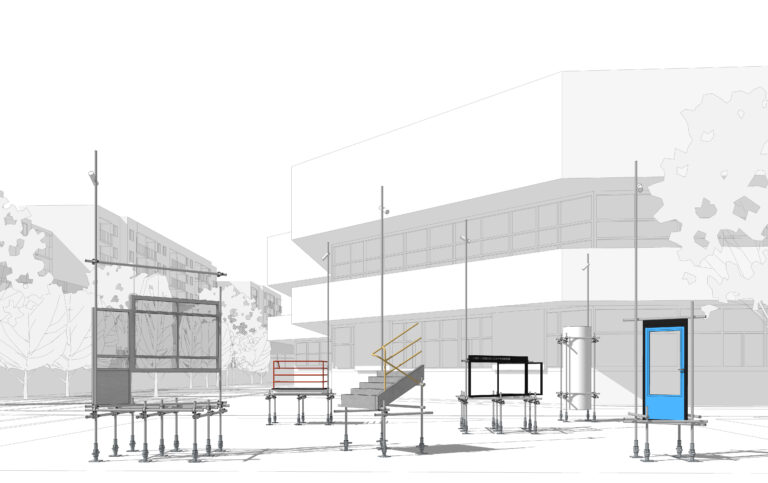
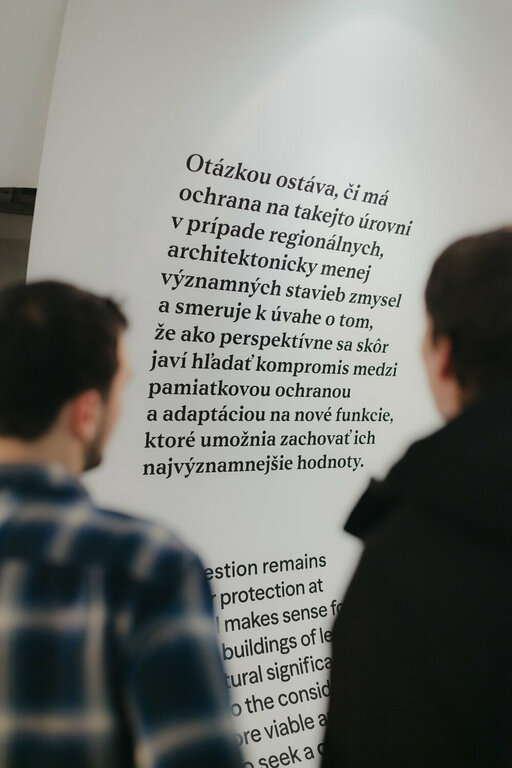
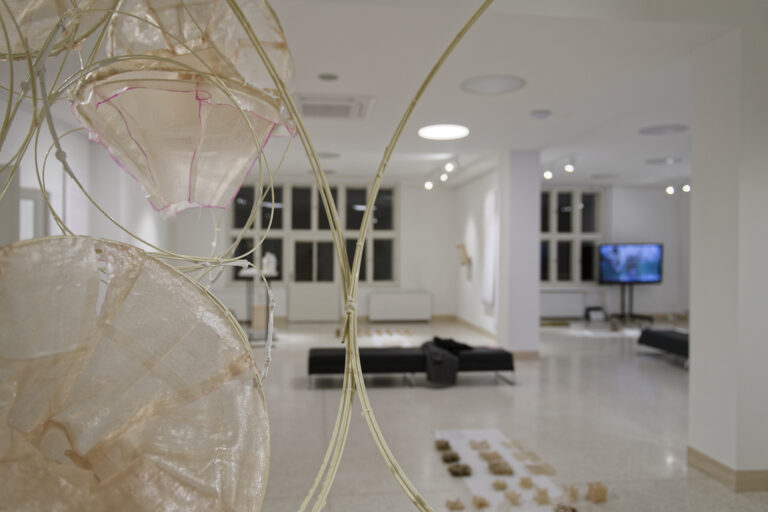
The introductory section of the exhibition offers visitors insight into the topic and introduces the individual studies through annotations and selected photographs. A centrally placed map highlights the locations explored by the authors of the various studies. The following two rooms are presented in sharp visual contrast — both in colour (white and black) and form (soft and hard).
The “white” room presents all ten studies, each with its own space featuring a selected text excerpt as well as a model or artefact of a building. The “black” room contains freely selected and arranged photographic elements referring to the featured studies. Although both rooms address the same themes, each does so in a completely different way.
The exhibition provides an independent interpretation of the texts that will appear in the upcoming publication. It offers an authentic perspective on how society engages with modern architecture. According to the curatorial team, the exhibition communicates what should be said about the topic — for example, that there is no single ideal approach or one universal truth. Instead, it creates space for reflection and for forming one’s own opinion. It is essential that modern architecture be perceived primarily by the general public — by its users — and that people themselves consider whether this architectural layer deserves protection and preservation.
Exhibition architecture: Marek Badinský, Lucia Tóthová
Curators: Alexandra Mutala, Radka Nedomová