Exhibition opening: 15.5.2026, 19:00
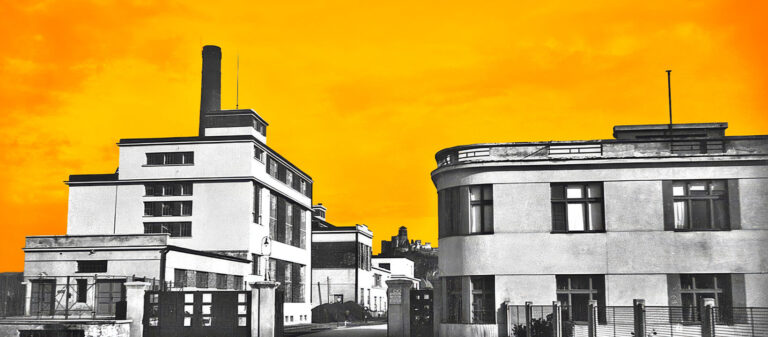
Venue: For Maat, Železničná 3, Trenčín
Duration: 16.5. – 28.6.2026
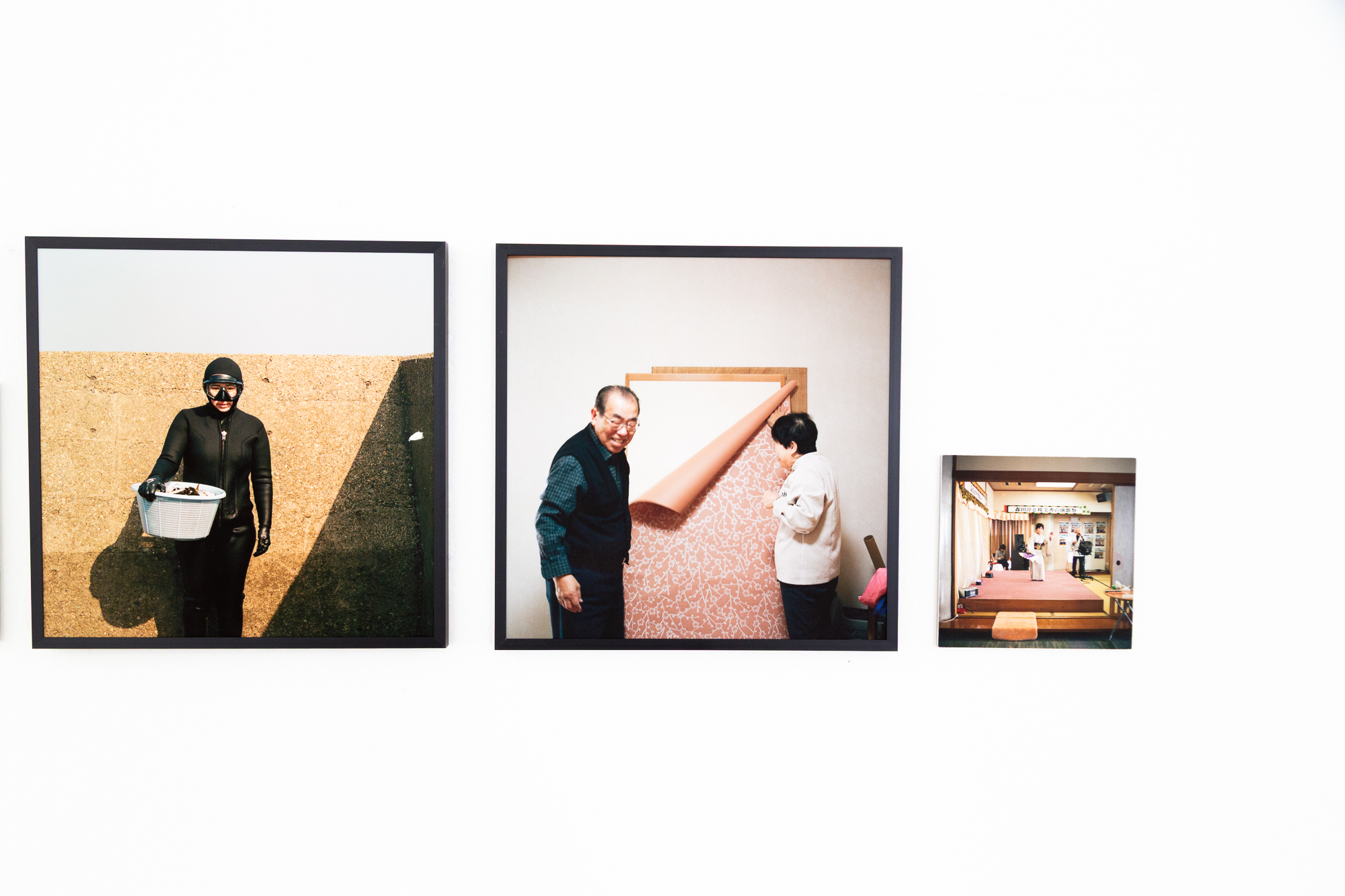
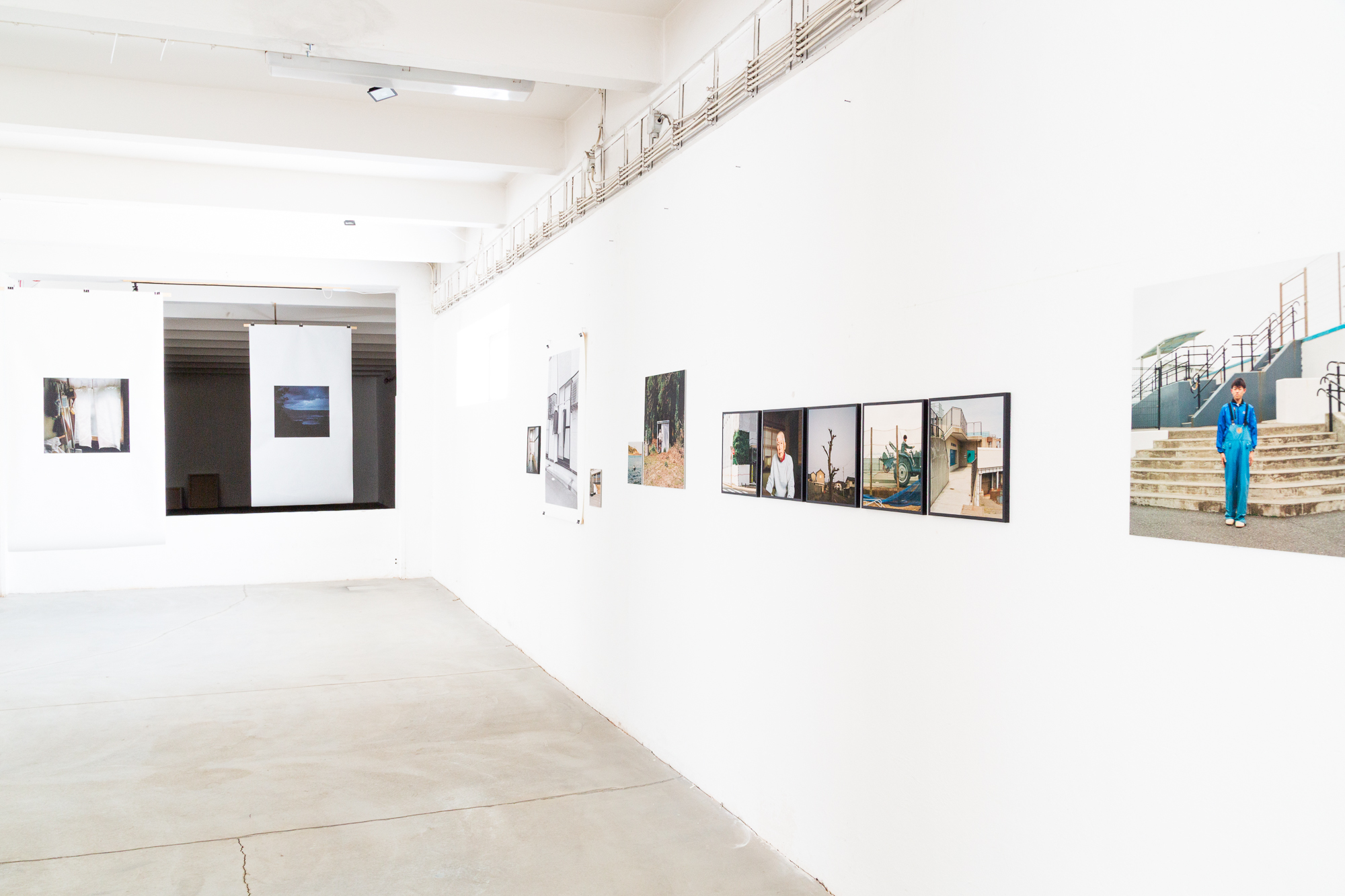
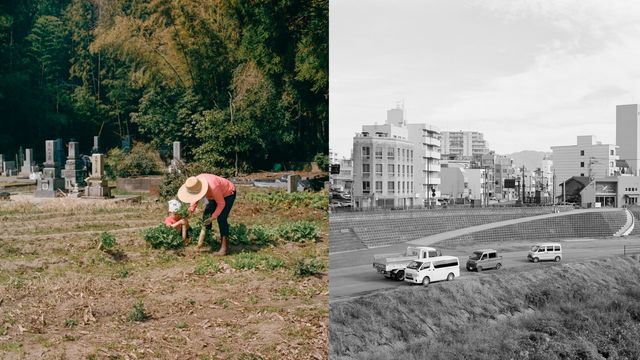
Launched in 1999, the European Eyes on Japan | Japan Today photography project brings photographers from European countries to Japan to rediscover in their work aspects of Japanese contemporary environment that has been taken for granted and overlooked. Now in its 25th edition of European Eyes on Japan | Japan Today, Sanna Krook from Finland and Dominika Jackuliacová from Slovakia turned their cameras on Fukui prefecture. Fukui prefecture with population of 740,000 is located on the western edge of the Hokuriku in central Honshu. Sanna Krook photographed in the Awara and Sakai areas of Fukui, particularly in the small village of Mikuni-anto, whereas Dominika Jackuliacová focused on Fukui City. Their residencies took place in spring and autumn 2025.
The 25th edition of European Eyes on Japan | Japan Today exhibition begins its tour from Oulu, Finland, where it runs from 1 April to 30 April. From Oulu, the exhibition travels to Trenčín, Slovakia, where it will be presented at Gallery Formaat from 16 May to 28 June. The opening (vernissage) at Gallery Formaat will take place on 15 May 2026 at 19:00. The exhibition is also part of a collaboration between partner cities within the European Capital of Culture 2026 framework – Oulu and Trenčín. After its presentation in Slovakia, the exhibition will travel to Japan. After the exhibition in Japan, the photographs are planned to be donated to Fukui prefecture and the city of Higashikawa in Hokkaido, home to the Higashikawa International Photography Festival.
The project is organised by EU Japan Fest Japan Committee. The Committee has been supporting collaborative programs between Japan and Europe within the European Capitals of Culture every year since 1993.
About the exhibiting artists:
Dominika Jackuliaková is a Slovakian photo-based artist and educator. She grew up in the small, south-central town of Lučenec, a region which is geographically and historically relevant to many of her long-term documentary series. She is interested in aspects of mobility and shifting relationships with land and home in Slovakia. An auto-biographical component is always present in her stories and often influences the places and people she photographs.
”The railway line, located five minutes from my apartment building, quickly became a source of support during my five-week stay in Fukui City. I began memorising the locations of certain places, largely thanks to the proximity of nearby train stations. Buildings and structures that were often ordinary in nature (at least in local terms) attracted me visually and, at the same time, functioned as pillars in my mental map—an imaginary map of the city.
The city’s first railway, the Hokuriku Main Line, opened in 1896. The city became an important junction for both major trade routes and military movements near the Sea of Japan. The railway is considered one of the reasons for an attack by U.S. troops during World War II, in July 1945. The massive destruction of a large part of the infrastructure was followed by an earthquake only three years later.
The main urban reconstruction plan, which influenced the present character of the city, was realised after these major events. My images focus on the area along the Mikuni Awara Line. In them, I move through the central parts of Fukui City – now undergoing development brought about by the new Hokuriku Shinkansen railway, which opened in the spring of 2023 – towards the much smaller coastal town of Mikuni.”
Sanna Krook is a photographer based in Oulu, Finland. She specialises in documentary photography. She is particularly interested in people and everyday life – the way in which, while nothing much seems to be happening, a whole unique life is unfolding. She has had several exhibitions in Finland and was awarded the WihuriEfekti Prize for visual arts in 2022 and in the Portrait of the Year category of the Photojournalism Competition in 2017. Sanna’s works are included in the collections of the Jenny and Antti Wihuri Foundation, as well as the Finnish cities of Oulu and Raahe.
”As a photographer, I often photograph places and communities. I’m interested in how a place affects us. A place leaves its mark on us, and we leave ours on it. But we also leave our mark on other people. We form communities because we need each other and need connection with other people.
I was born and have lived most of my life in Northern Ostrobothnia, and this region and its people have left their mark on me – perhaps in the form of sarcastic humour and sincerity, but also a certain sense of shame.
In my photographs, I reflect on the kind of mark Fukui leaves on people. How does living there shape one’s way of thinking, sense of humour, language, or even sense of aesthetics?
I also wanted to depict the social network of this small place so that the images form a social tapestry, or perhaps the Mokko sashiko embroidery used by local female divers.
Fukui and its people left a mark on me, too. I felt that for a moment I was part of the community I was photographing. I was exactly where I was meant to be. It feels like a gift.”
Event partners: